Arc Research

Pervasive and programmed nucleosome distortion on single chromatin fibres
Nature
Goodarzi Lab

Pervasive and programmed nucleosome distortion on single chromatin fibres

Here, we present Iteratively Defined Lengths of Inaccessibility (IDLI), a computational method that maps the single-molecule co-occupancy of structurally distinct nucleosomes, subnucleosomes and other protein–DNA interactions through long-read single-molecule footprinting.

Engineered cells as programmable mRNA delivery vehicles
Nature Reviews Bioengineering
Horns Lab

Engineered cells as programmable mRNA delivery vehicles

Delivering mRNA to specific cell types remains challenging. Recent work opens the possibility of using synthetic RNA transfer pathways to engineer mRNA ‘delivery cells’. These cells could enable targeted editing, reprogramming or elimination of selected cells for therapeutic benefit.

Systematic identification of chromatin organizers as tuners of intratumoral heterogeneity
BioRxiv
Goodarzi Lab

Systematic identification of chromatin organizers as tuners of intratumoral heterogeneity

Here, we develop a multi-scale screening framework that integrates bulk patient transcriptomics, functional in vivo genetic screening, and single-cell transcriptomic and epigenomic profiling to nominate chromatin organizers that modulate ITH in breast cancer.

mTORC1 activity suppresses ferroptosis through a SCARB1-dependent HDL-tocopherol uptake pathway
Molecular Cell
Gilbert LabMedoh Lab

mTORC1 activity suppresses ferroptosis through a SCARB1-dependent HDL-tocopherol uptake pathway

To identify strategies to enhance the utility of third-generation bi-steric mTORC1 inhibitors, we performed genome-scale CRISPR interference chemogenomics screens, which revealed that mTORC1 inhibitor-mediated cytostasis leaves cells exquisitely dependent on the lipid peroxide scavenging enzyme GPX4.

ENPP1 buffers extracellular cGAMP in brown adipose tissue to limit insulin resistance
BioRxiv
Li Lab

ENPP1 buffers extracellular cGAMP in brown adipose tissue to limit insulin resistance

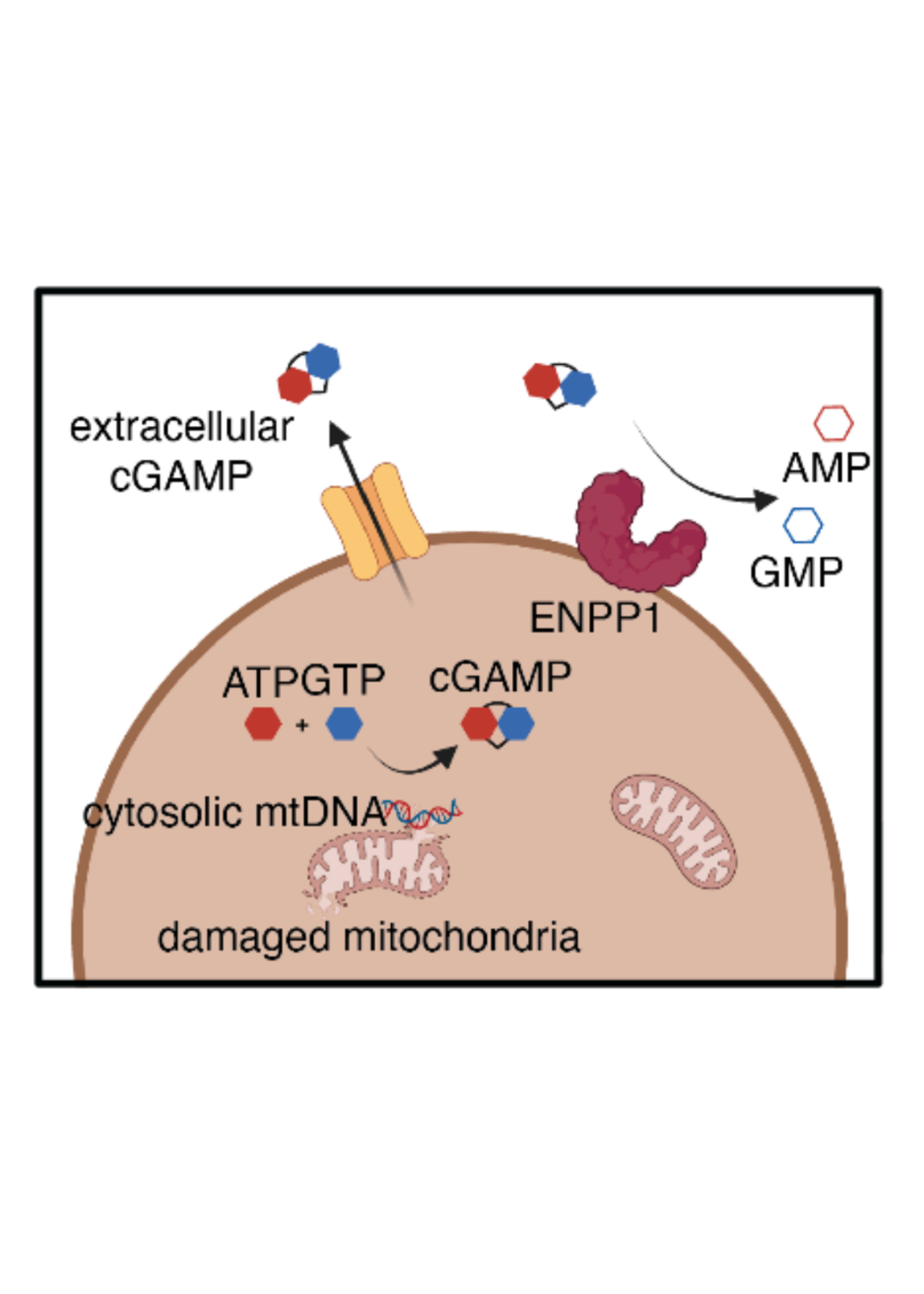
ENPP1 has long been linked with metabolic diseases, with the common ENPP1 K173Q variant conferring increased risk for type 2 diabetes. Here, we demonstrate that the K173Q variant has decreased cGAMP hydrolysis activity, suggesting that this loss of enzymatic function could contribute to its pathogenesis.

BioReason-Pro: Advancing Protein Function Prediction with Multimodal Biological Reasoning
BioRxiv
Goodarzi Lab

BioReason-Pro: Advancing Protein Function Prediction with Multimodal Biological Reasoning

We introduce BioReason-Pro, the first multimodal reasoning large language model (LLM) for protein function prediction that integrates protein embeddings with biological context to generate structured reasoning traces.

Integrative analysis of mRNA stability regulation uncovers a metastasis-suppressive program in breast cancer
Science Advances
Goodarzi Lab

Integrative analysis of mRNA stability regulation uncovers a metastasis-suppressive program in breast cancer

Heterogeneity in cancer gene expression is typically linked to genetic and epigenetic alteration. Here, we systematically measured messenger RNA (mRNA) dynamics across diverse breast cancer models, revealing that mRNA stability substantially shapes gene expression variability.

Intestinal interoceptive dysfunction drives age-associated cognitive decline
Nature
Thaiss LabLevy Lab

Intestinal interoceptive dysfunction drives age-associated cognitive decline

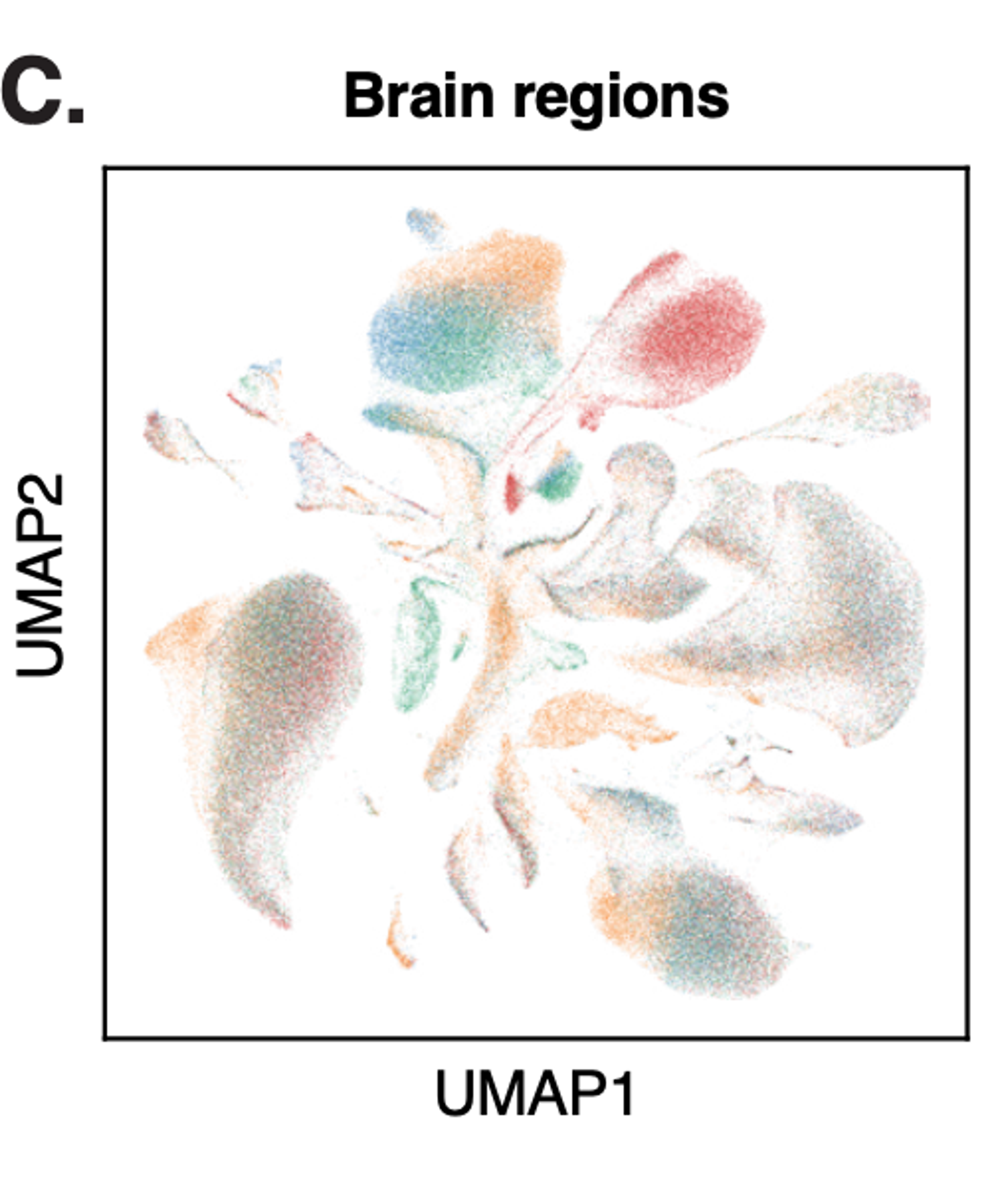
Here, by charting a high-resolution map of microbiome ageing and its functional consequences throughout the lifespan of mice, we identify a mechanism by which inhibition of gut–brain signalling during ageing results in impaired neuronal activation in the hippocampus and loss of memory encoding.

β-hydroxybutyrate enhances the metabolic fitness of CAR T cells in cancer
Cell
Levy LabThaiss Lab

β-hydroxybutyrate enhances the metabolic fitness of CAR T cells in cancer

The influence of lifestyle factors on the effectiveness of T cell-mediated cancer immunotherapies remains unclear. Here, we demonstrate that the ketogenic diet-induced ketone metabolite β-hydroxybutyrate (BHB) augments chimeric antigen receptor T cell function across multiple preclinical cancer models.

Genome modelling and design across all domains of life with Evo 2
Nature
Hsu LabHie LabGoodarzi LabComputational

Genome modelling and design across all domains of life with Evo 2

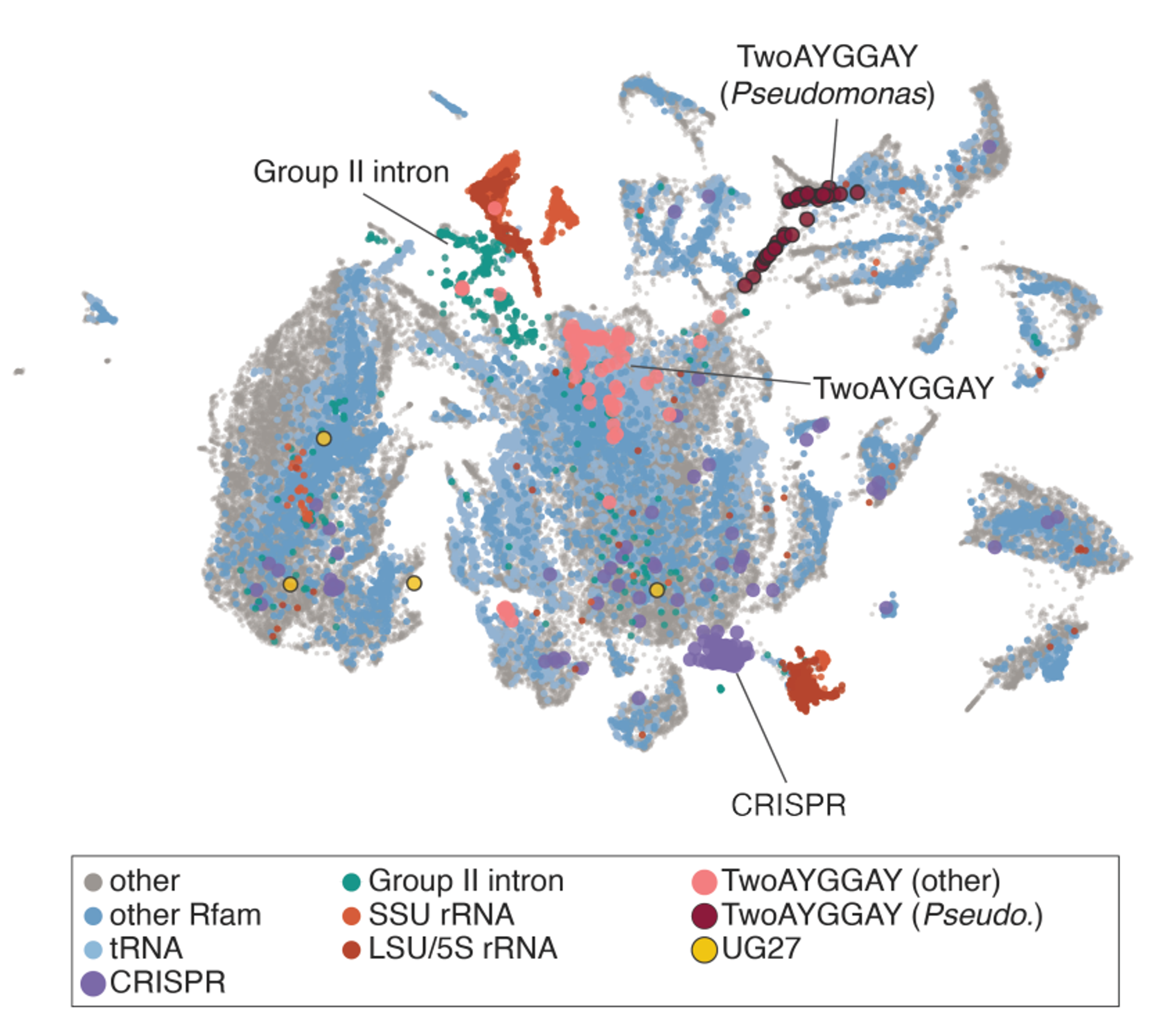
AI models that learn information from genomic sequences have advanced prediction and design capabilities. Here we introduce Evo 2, a biological foundation model trained on 9 trillion DNA base pairs from a highly curated genomic atlas spanning all domains of life to have a 1 million token context window with single-nucleotide resolution.