Arc Research

ENPP1 inhibitor with ultralong drug-target residence time as an innate immune checkpoint blockade cancer therapy
Cell Reports Medicine
Li Lab

ENPP1 inhibitor with ultralong drug-target residence time as an innate immune checkpoint blockade cancer therapy

Existing ENPP1 inhibitors have been optimized for prolonged systemic residence time rather than effective target inhibition within tumors. Here, we report the characterization of STF-1623, a highly potent ENPP1 inhibitor with an exceptionally long tumor residence time despite rapid systemic clearance, enabled by its high binding affinity and slow dissociation rate.

Predicting cellular responses to perturbation across diverse contexts with STATE
bioRxiv
Computational

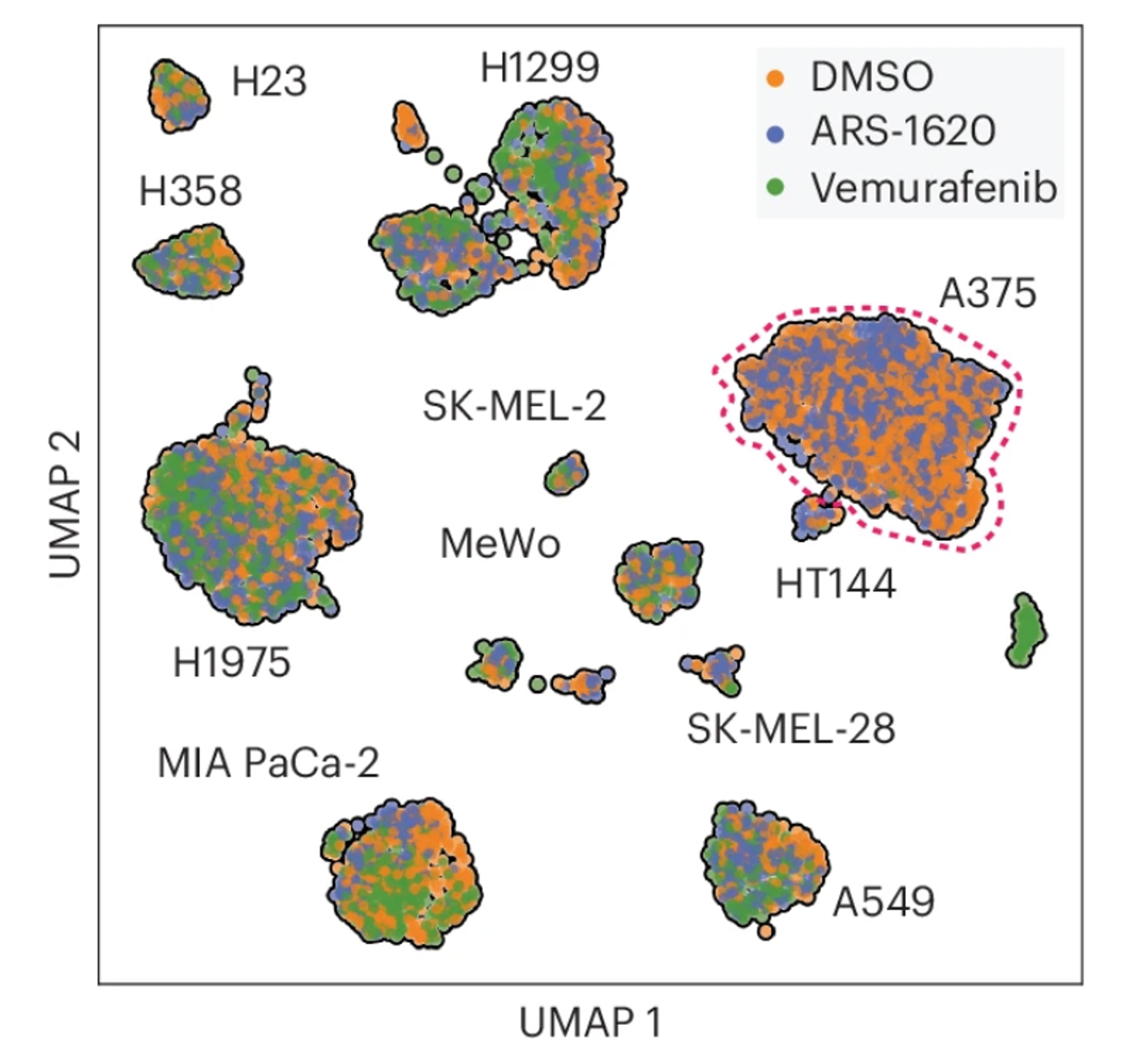
Predicting cellular responses to perturbation across diverse contexts with STATE

Here, we introduce STATE, a transformer model that predicts perturbation effects while accounting for cellular heterogeneity within and across experiments. State predicts perturbation effects across sets of cells and is trained using gene expression data from over 100 million perturbed cells.

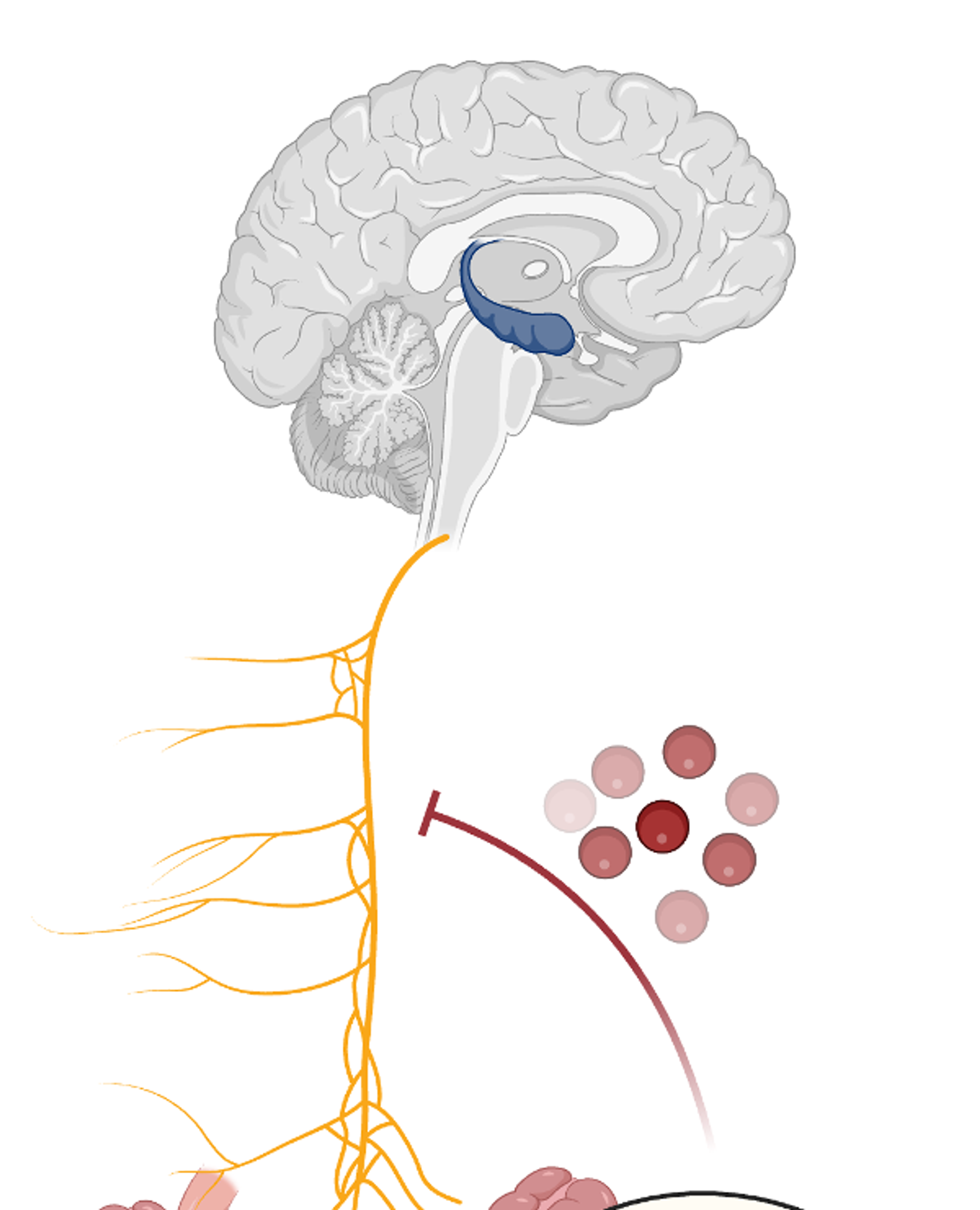
Cysteine allostery and autoinhibition govern human STING oligomer functionality
Nature Chemical Biology
Li Lab

Cysteine allostery and autoinhibition govern human STING oligomer functionality

The STING innate immune pathway can exacerbate inflammatory diseases when aberrantly activated, emphasizing an unmet need for STING antagonists. However, it remains unclear which mechanistic step(s) are crucial for inhibition of downstream signaling. Here we report that C91 palmitoylation is not universally necessary for human STING signaling.

Genome modeling and design across all domains of life with Evo 2
bioRxiv
Hsu LabHie Lab

Genome modeling and design across all domains of life with Evo 2

We introduce Evo 2, a biological foundation model trained on 9.3 trillion DNA base pairs from a highly curated genomic atlas spanning all domains of life. We train Evo 2 with 7B and 40B parameters to have an unprecedented 1 million token context window with single-nucleotide resolution.

Sequence modeling and design from molecular to genome scale with Evo
Science
Hie LabHsu Lab

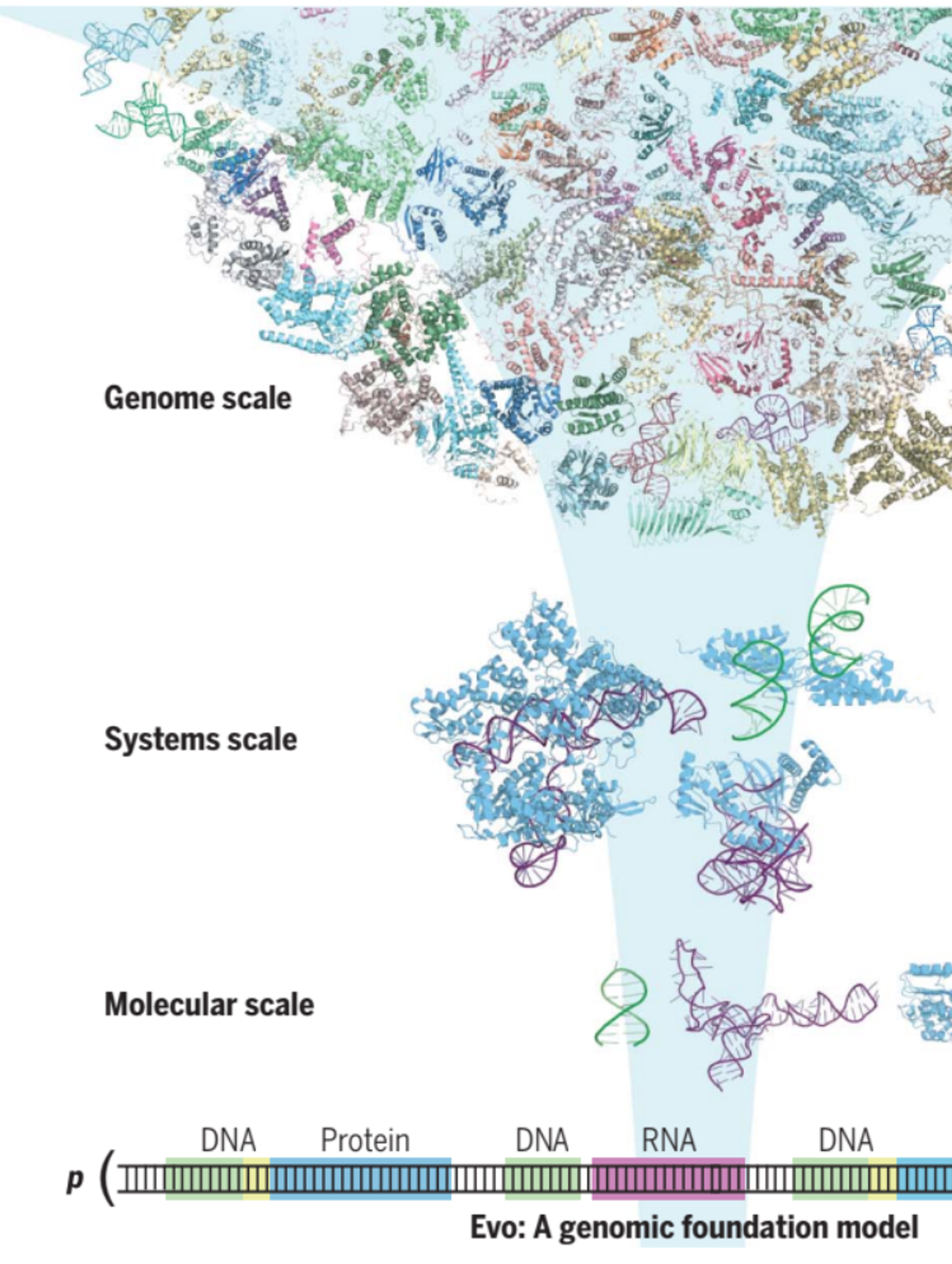
Sequence modeling and design from molecular to genome scale with Evo

The genome is a sequence that encodes the DNA, RNA, and proteins that orchestrate an organism's function. We present Evo, a long-context genomic foundation model with a frontier architecture trained on millions of prokaryotic and phage genomes, and report scaling laws on DNA to complement observations in language and vision.

PELI2 is a negative regulator of STING signaling that is dynamically repressed during viral infection
Molecular Cell
Li Lab

PELI2 is a negative regulator of STING signaling that is dynamically repressed during viral infection

The innate immune cGAS-STING pathway is activated by cytosolic double-stranded DNA (dsDNA), a ubiquitous danger signal, to produce interferon. However, STING activation must be tightly controlled because aberrant interferon production leads to debilitating interferonopathies. Here, we discover PELI2 as a crucial negative regulator of STING.

Bridge RNAs direct programmable recombination of target and donor DNA
Nature
Hsu Lab

Bridge RNAs direct programmable recombination of target and donor DNA

Genomic rearrangements, encompassing mutational changes in the genome such as insertions, deletions, or inversions, are essential for genetic diversity. We report that IS110 insertion sequences, a family of minimal and autonomous mobile genetic elements, express a structured non-coding RNA that binds specifically to their encoded recombinase.

Deep learning and CRISPR-Cas13d ortholog discovery for optimized RNA targeting
Cell Systems
Konermann LabHsu Lab

Deep learning and CRISPR-Cas13d ortholog discovery for optimized RNA targeting

Effective and precise mammalian transcriptome engineering technologies are needed to accelerate biological discovery. Here, we quantified the performance of over 127,000 CasRx guide RNAs and systematically evaluated seven machine learning models to build a guide efficiency prediction algorithm orthogonally validated across multiple human cell types.

ENPP1 is an innate immune checkpoint of the anticancer cGAMP-STING pathway in breast cancer
PNAS
Li Lab

ENPP1 is an innate immune checkpoint of the anticancer cGAMP-STING pathway in breast cancer

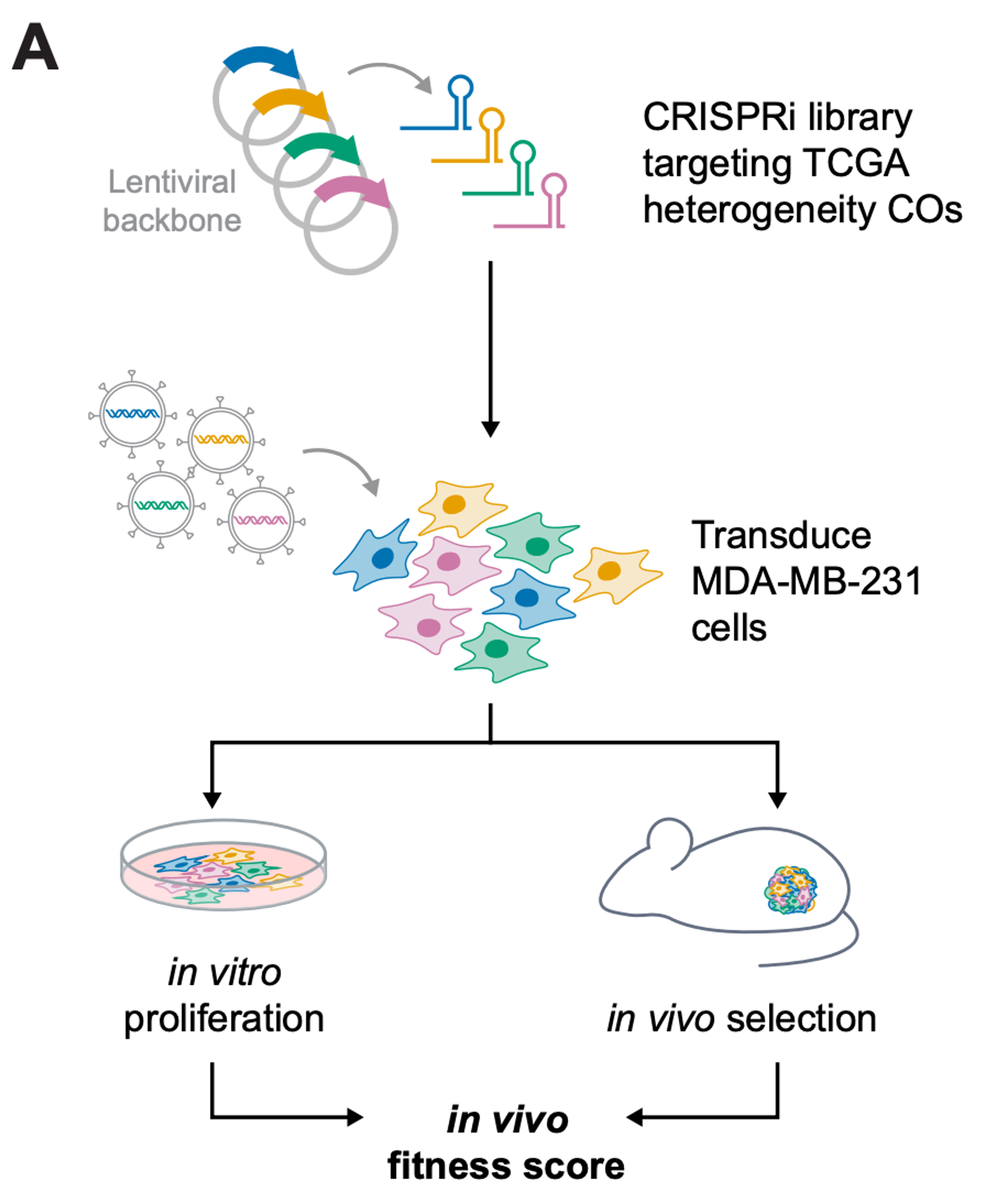
Ectonucleotide pyrophosphatase/phosphodiesterase 1 (ENPP1) expression correlates with poor prognosis in many cancers. Here, using single-cell RNA-seq, we show that ENPP1 in both cancer and normal tissues drives primary breast tumor growth and metastasis by dampening extracellular cGAMP–STING-mediated antitumoral immunity.

Environmental challenge rewires functional connections among human genes
bioRxiv
Gilbert Lab

Environmental challenge rewires functional connections among human genes

Here, we developed a framework for mapping context-specific genetic interactions, enabling us to measure the plasticity of human genetic architecture upon environmental challenge for ∼250,000 interactions, using cell cycle interruption, genotoxic perturbation, and nutrient deprivation as archetypes.