Arc Research

PELI2 is a negative regulator of STING signaling that is dynamically repressed during viral infection
Molecular Cell
Li Lab

PELI2 is a negative regulator of STING signaling that is dynamically repressed during viral infection

The innate immune cGAS-STING pathway is activated by cytosolic double-stranded DNA (dsDNA), a ubiquitous danger signal, to produce interferon. However, STING activation must be tightly controlled because aberrant interferon production leads to debilitating interferonopathies. Here, we discover PELI2 as a crucial negative regulator of STING.

Bridge RNAs direct programmable recombination of target and donor DNA
Nature
Hsu Lab

Bridge RNAs direct programmable recombination of target and donor DNA

Genomic rearrangements, encompassing mutational changes in the genome such as insertions, deletions, or inversions, are essential for genetic diversity. We report that IS110 insertion sequences, a family of minimal and autonomous mobile genetic elements, express a structured non-coding RNA that binds specifically to their encoded recombinase.

Deep learning and CRISPR-Cas13d ortholog discovery for optimized RNA targeting
Cell Systems
Konermann LabHsu Lab

Deep learning and CRISPR-Cas13d ortholog discovery for optimized RNA targeting

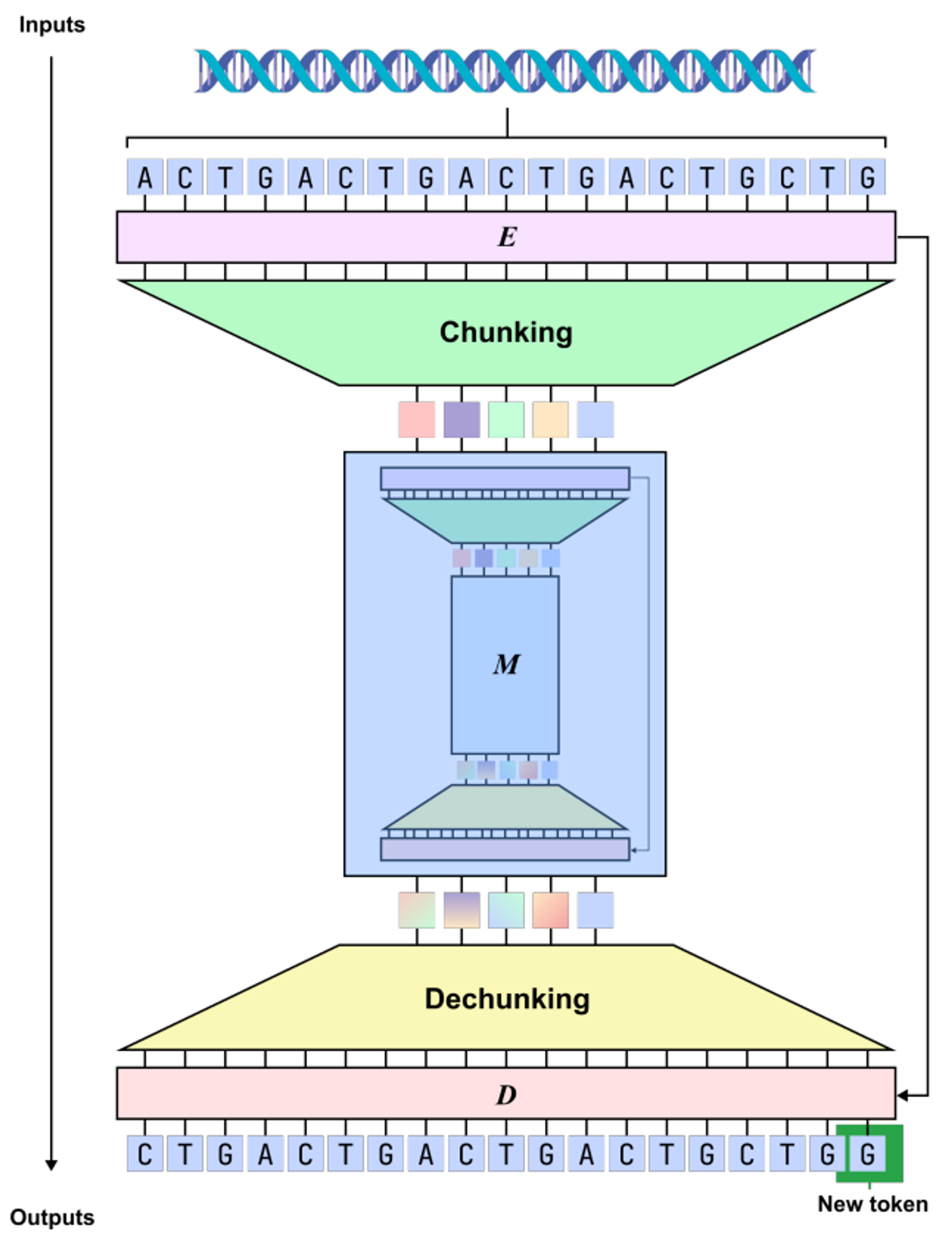
Effective and precise mammalian transcriptome engineering technologies are needed to accelerate biological discovery. Here, we quantified the performance of over 127,000 CasRx guide RNAs and systematically evaluated seven machine learning models to build a guide efficiency prediction algorithm orthogonally validated across multiple human cell types.

ENPP1 is an innate immune checkpoint of the anticancer cGAMP-STING pathway in breast cancer
PNAS
Li Lab

ENPP1 is an innate immune checkpoint of the anticancer cGAMP-STING pathway in breast cancer

Ectonucleotide pyrophosphatase/phosphodiesterase 1 (ENPP1) expression correlates with poor prognosis in many cancers. Here, using single-cell RNA-seq, we show that ENPP1 in both cancer and normal tissues drives primary breast tumor growth and metastasis by dampening extracellular cGAMP–STING-mediated antitumoral immunity.

Environmental challenge rewires functional connections among human genes
bioRxiv
Gilbert Lab

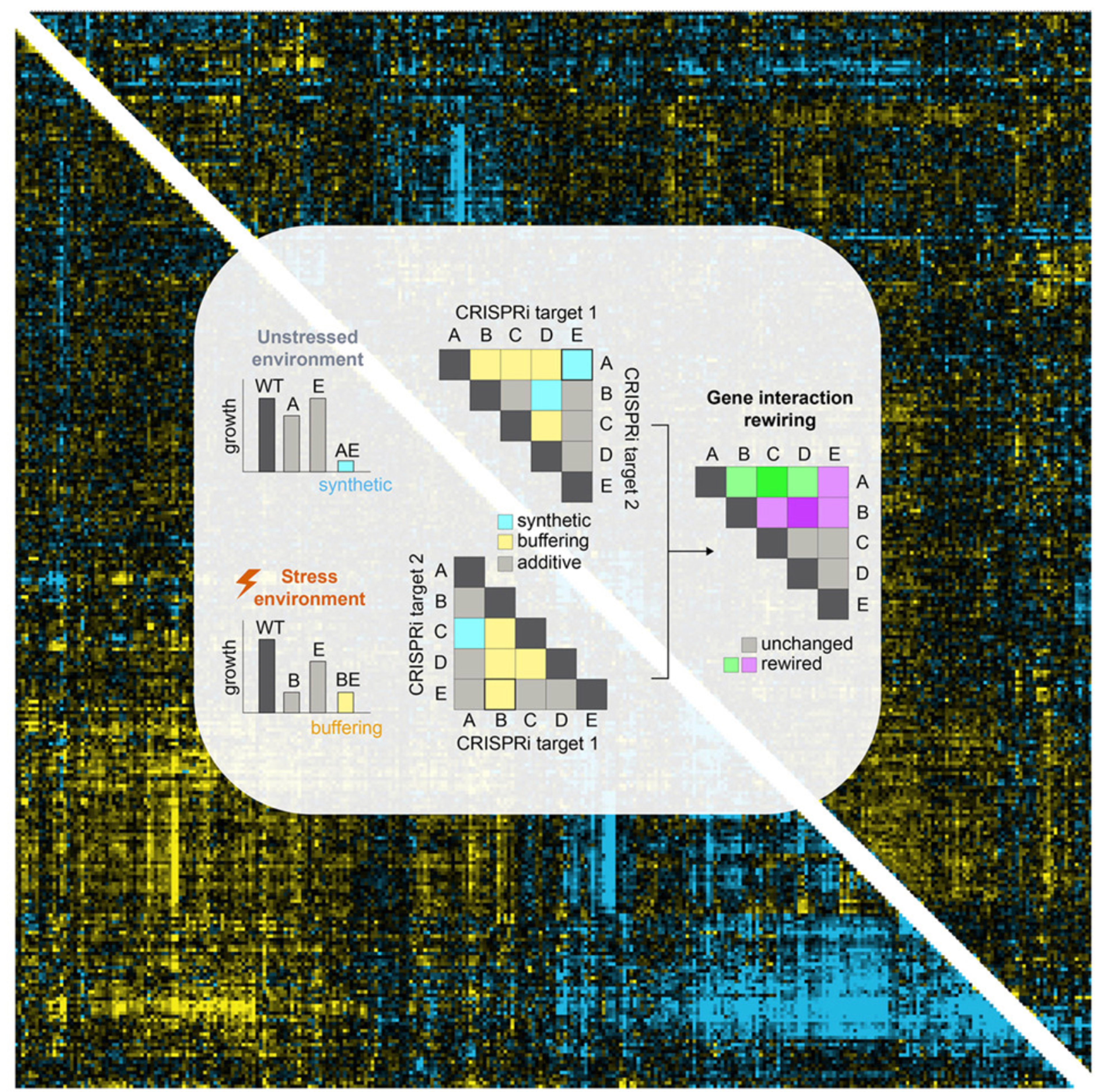
Environmental challenge rewires functional connections among human genes

Here, we developed a framework for mapping context-specific genetic interactions, enabling us to measure the plasticity of human genetic architecture upon environmental challenge for ∼250,000 interactions, using cell cycle interruption, genotoxic perturbation, and nutrient deprivation as archetypes.

A sense-antisense RNA interaction promotes breast cancer metastasis via regulation of NQO1 expression
Nature Cancer
Goodarzi Lab

A sense-antisense RNA interaction promotes breast cancer metastasis via regulation of NQO1 expression

Here we profiled antisense RNAs in the MDA-MB-231 breast cancer cell line and its highly lung metastatic derivative. We identified one antisense RNA that drives cancer progression by upregulating the redox enzyme NADPH quinone dehydrogenase 1 (NQO1), and named it NQO1-AS.