Arc Research

Integrative analysis of mRNA stability regulation uncovers a metastasis-suppressive program in breast cancer
Science Advances
Goodarzi LabPublication

Integrative analysis of mRNA stability regulation uncovers a metastasis-suppressive program in breast cancer

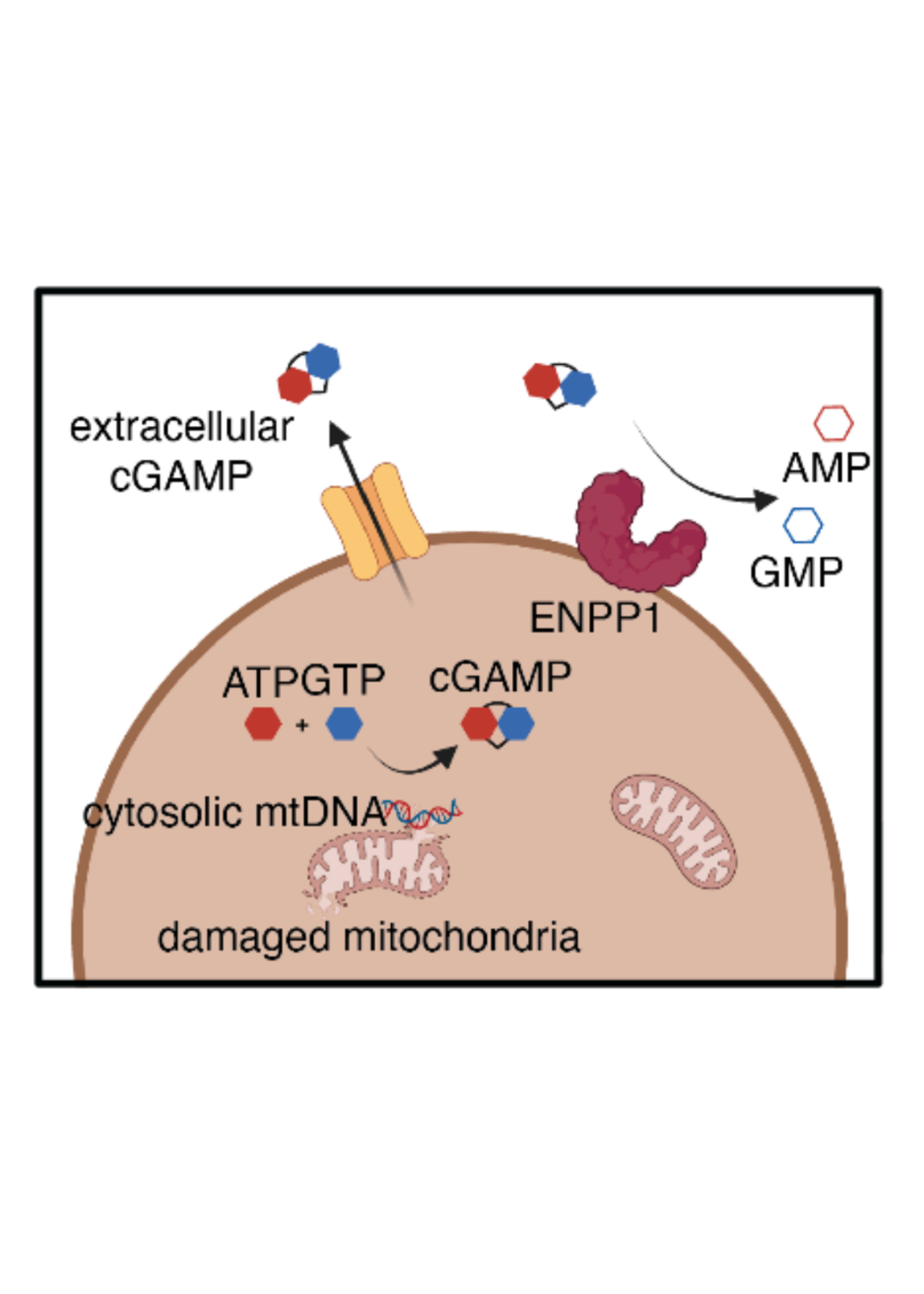
Heterogeneity in cancer gene expression is typically linked to genetic and epigenetic alteration. Here, we systematically measured messenger RNA (mRNA) dynamics across diverse breast cancer models, revealing that mRNA stability substantially shapes gene expression variability.

Intestinal interoceptive dysfunction drives age-associated cognitive decline
Nature
Thaiss LabLevy LabPublication

Intestinal interoceptive dysfunction drives age-associated cognitive decline

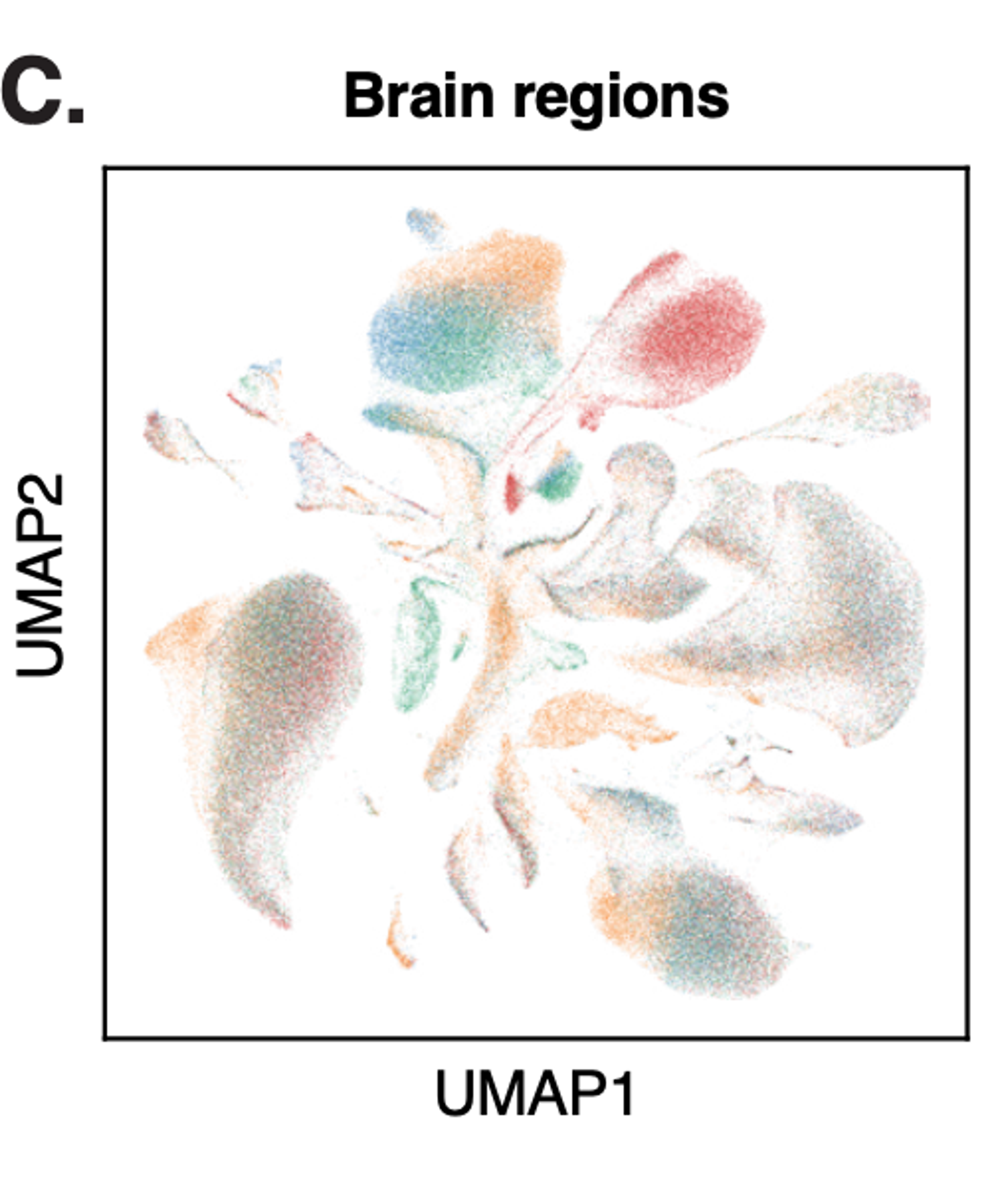
Here, by charting a high-resolution map of microbiome ageing and its functional consequences throughout the lifespan of mice, we identify a mechanism by which inhibition of gut–brain signalling during ageing results in impaired neuronal activation in the hippocampus and loss of memory encoding.

β-hydroxybutyrate enhances the metabolic fitness of CAR T cells in cancer
Cell
Levy LabThaiss LabPublication

β-hydroxybutyrate enhances the metabolic fitness of CAR T cells in cancer

The influence of lifestyle factors on the effectiveness of T cell-mediated cancer immunotherapies remains unclear. Here, we demonstrate that the ketogenic diet-induced ketone metabolite β-hydroxybutyrate (BHB) augments chimeric antigen receptor T cell function across multiple preclinical cancer models.

Genome modelling and design across all domains of life with Evo 2
Nature
Hsu LabHie LabGoodarzi LabComputationalPublication

Genome modelling and design across all domains of life with Evo 2

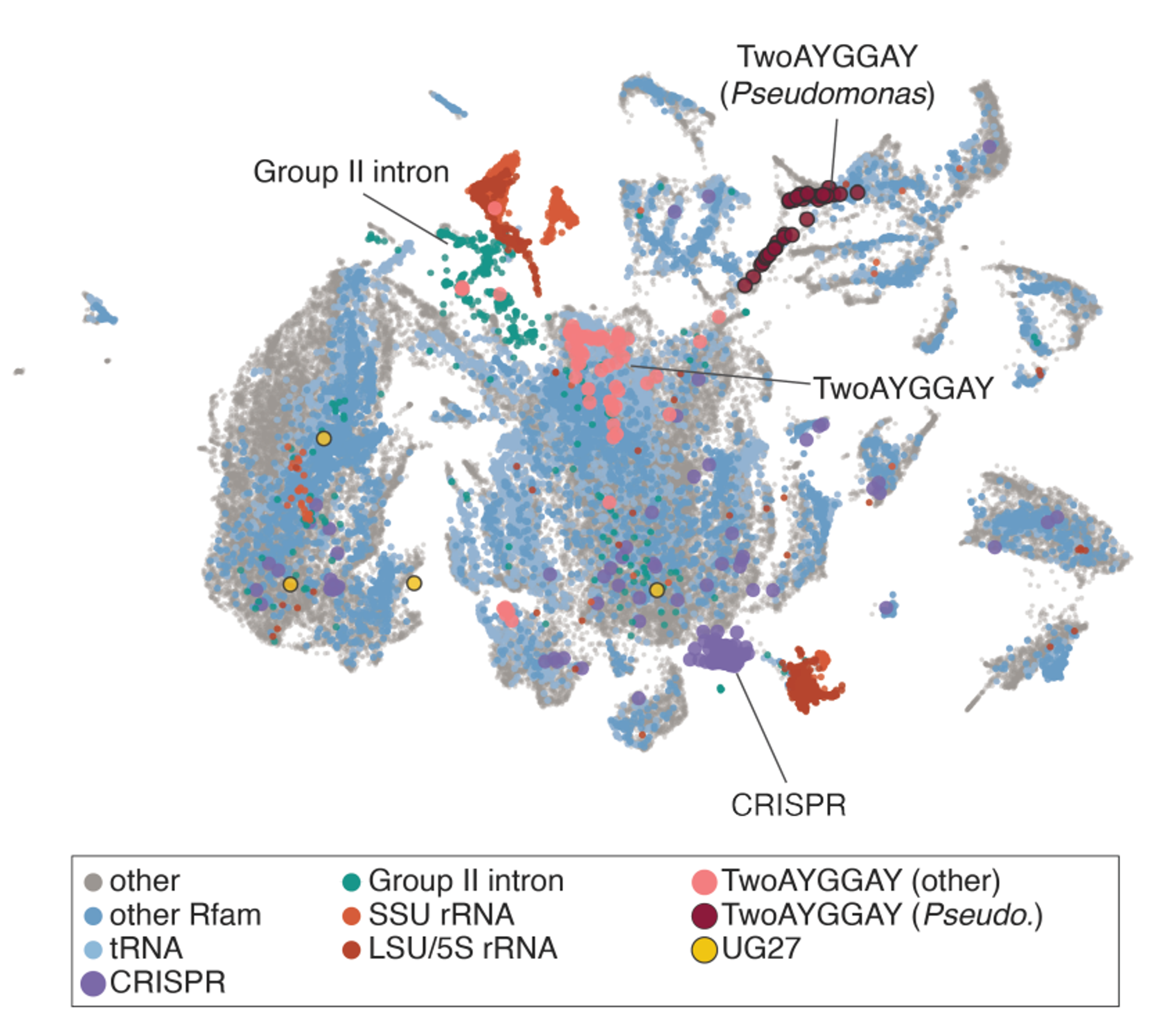
AI models that learn information from genomic sequences have advanced prediction and design capabilities. Here we introduce Evo 2, a biological foundation model trained on 9 trillion DNA base pairs from a highly curated genomic atlas spanning all domains of life to have a 1 million token context window with single-nucleotide resolution.

Vitamin B2 and B3 nutrigenomics reveals a therapy for NAXD disease
Cell
Jain LabPublication

Vitamin B2 and B3 nutrigenomics reveals a therapy for NAXD disease

Vitamins are essential metabolites that must be obtained from external sources. In modern times, they have become widely available, leading to their ad hoc consumption. We developed a nutritional genomics framework to systematically identify monogenic diseases responsive to micronutrient modulation.

The GENEVA platform models tumor mosaicism to reveal variations of responses to KRAS inhibitors and identify improved drug combinations
Nature Cancer
Goodarzi LabPublication

The GENEVA platform models tumor mosaicism to reveal variations of responses to KRAS inhibitors and identify improved drug combinations

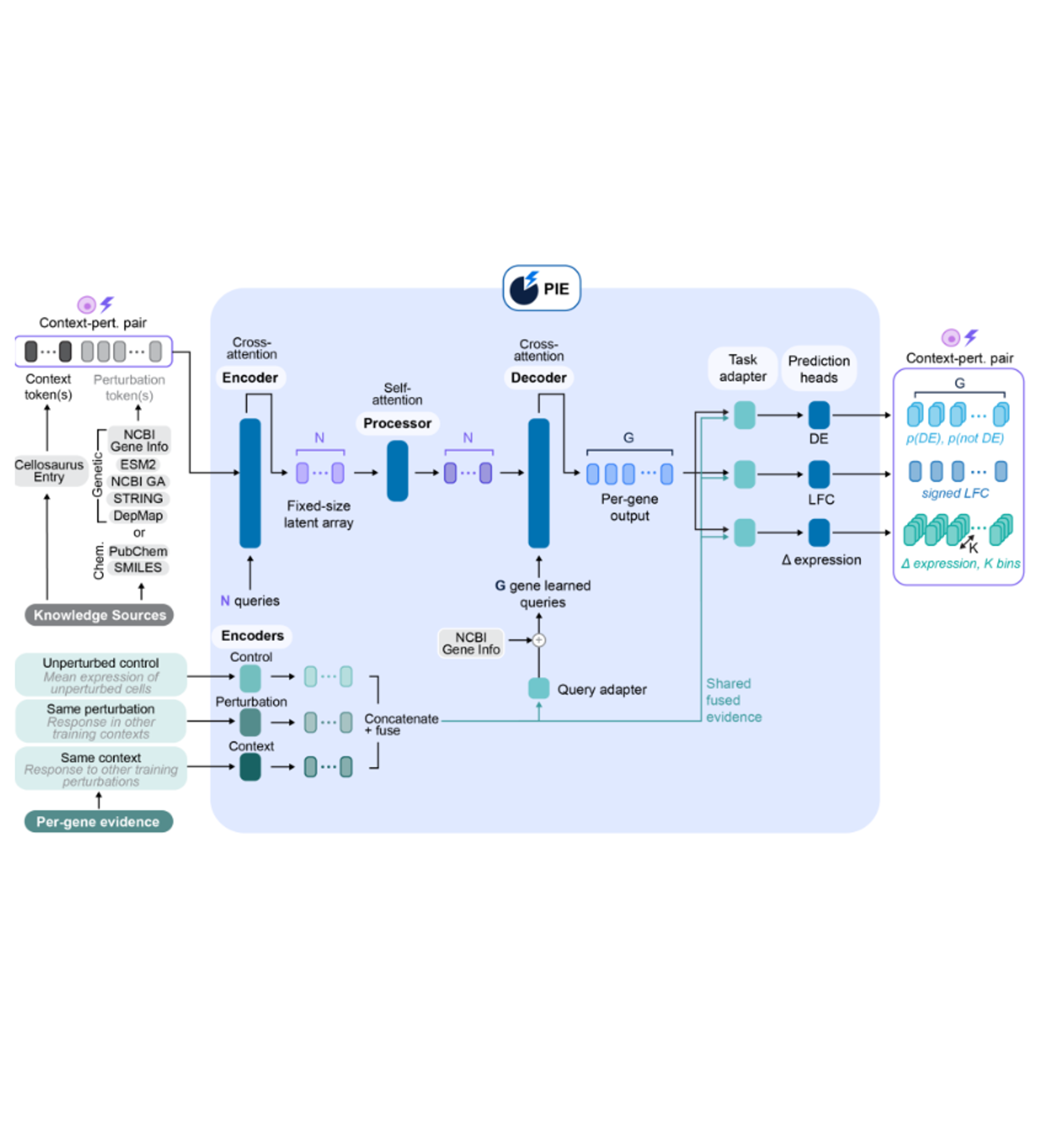
The clinical success of cancer drug candidates depends on efficacy across many different individuals, but we currently rely on a limited set of in vivo preclinical models. Here, to address this limitation, we introduce GENEVA, a scalable single-cell-resolution platform for measuring responses to drug perturbations.

Large-scale mapping of environmental-genetic interactions illustrates the dynamic nature of cell-cycle and DNA repair regulation
Molecular Cell
Gilbert LabPublication

Large-scale mapping of environmental-genetic interactions illustrates the dynamic nature of cell-cycle and DNA repair regulation

Cells integrate exogenous and endogenous signals, likely through dynamic functional associations between genes, but measuring these relationships is non-trivial. Here, we evaluate genetic associations in response to cell-cycle interruption, genotoxic perturbation, and nutrient deprivation using genetic interaction mapping in human cells.

Rapid directed evolution guided by protein language models and epistatic interactions
Science
Hsu LabKonermann LabPublication

Rapid directed evolution guided by protein language models and epistatic interactions

We present MULTI-evolve, a rapid evolution framework that systematically engineers multimutants. Our approach combines protein language models or existing functional data with epistatic modelling to predict synergistic combinations.

Red blood cells serve as a primary glucose sink to improve glucose tolerance at altitude
Cell Metabolism
Jain LabPublication

Red blood cells serve as a primary glucose sink to improve glucose tolerance at altitude

High-altitude conditions improve glucose tolerance and reduce diabetes risk, but the physiological mechanism is not well understood. Using mouse models, we found that hypoxia alone robustly improved glucose tolerance and that the effect persisted for weeks after returning to normal oxygen levels.

Systemic hypoxia suppresses solid tumor growth
BioRxiv
Jain LabGoodarzi Labpreprint

Systemic hypoxia suppresses solid tumor growth

Local hypoxia is a hallmark of solid tumors and a negative prognostic factor in the progression and treatment of cancer. Here, we showed that systemic hypoxia, in contrast to localized tumor hypoxia, decreases tumor growth in vivo across multiple cancer types and preclinical models.