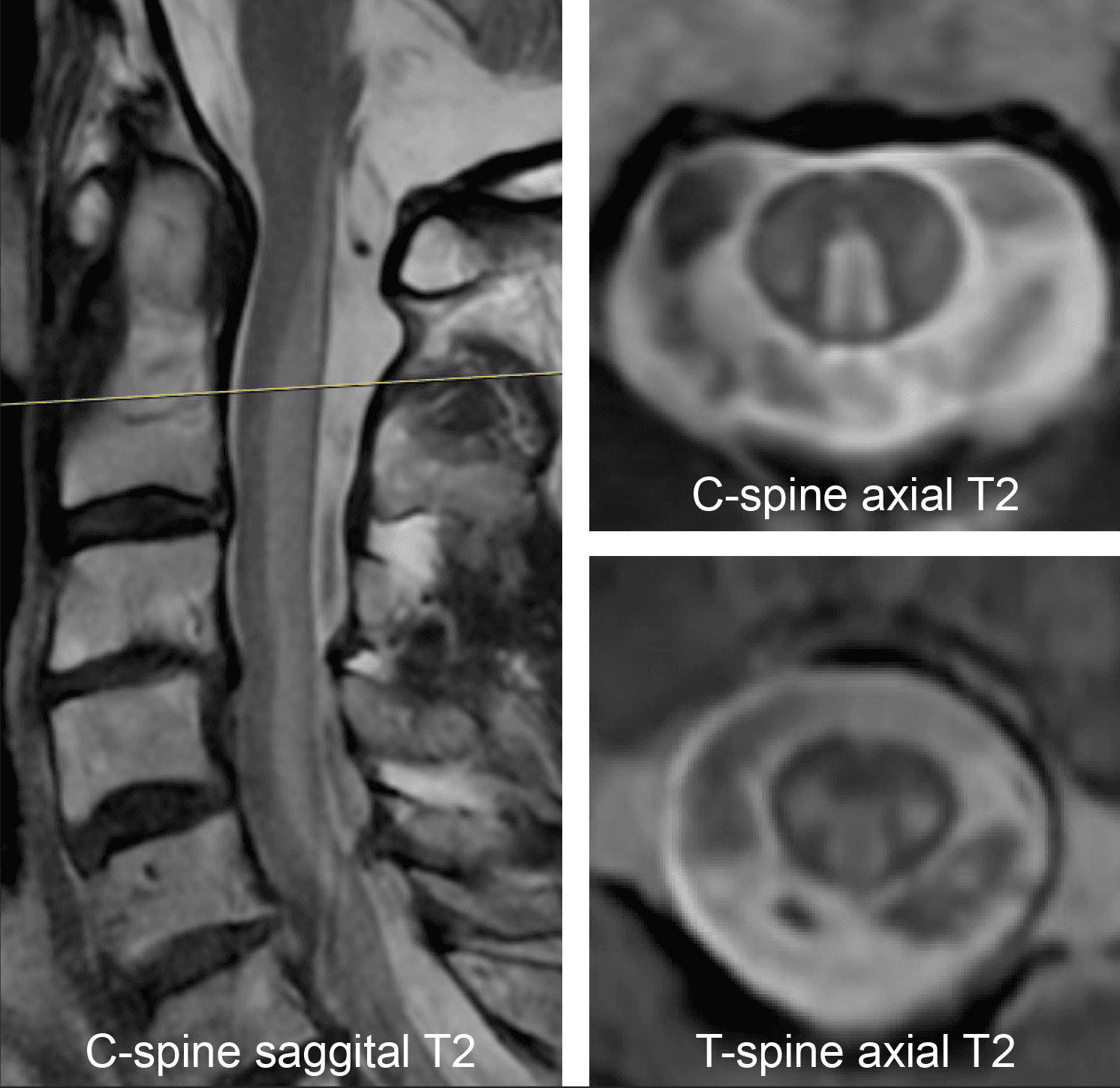
Anti-CD320 autoantibodies and central nervous system vitamin B12 deficiency in idiopathic myelopathy
Pluvinage, J.V., Acero-Garces, D., Greco, G., Moseley, C.E., Sidhu, S., Zorn, K.C., Kondapavulur, S., Richie, M., Douglas, V., Mohan, S., et al.


Autoimmune encephalitis (AE) is a rare condition where antibodies target brain antigens leading to severe cognitive dysfunction, but the identity of these antibodies is often unknown. We are developing functional genomic and computational tools to discover the source, target, and mechanism of new pathogenic autoantibodies.

Current treatments for autoimmune neurological diseases are nonspecific, ineffective, and/or neurotoxic. How can we eliminate pathogenic autoantibodies while leaving the rest of the immune system intact?

Pluvinage, J.V., Acero-Garces, D., Greco, G., Moseley, C.E., Sidhu, S., Zorn, K.C., Kondapavulur, S., Richie, M., Douglas, V., Mohan, S., et al.
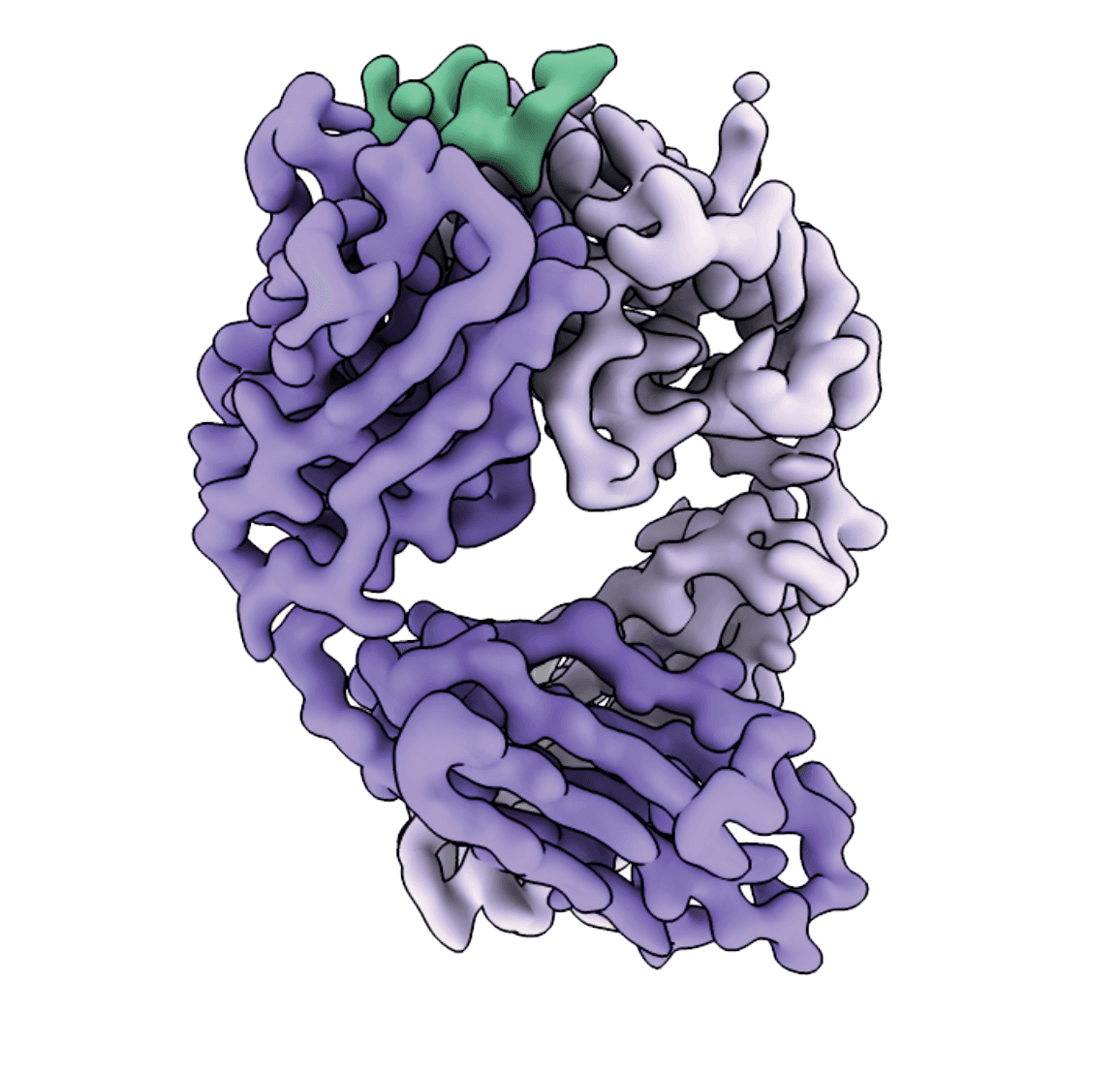
M. Zimanyi, M. Dayao, A. I. Asencor, S. Kondapavulur, J. Asaki, K. McCutcheon, C. Dabaco, A. Bodansky, C. S. Craik, S. J. Pleasure, J. L. DeRisi, Y. Cheng, M. R. Wilson, J. V. Pluvinage.
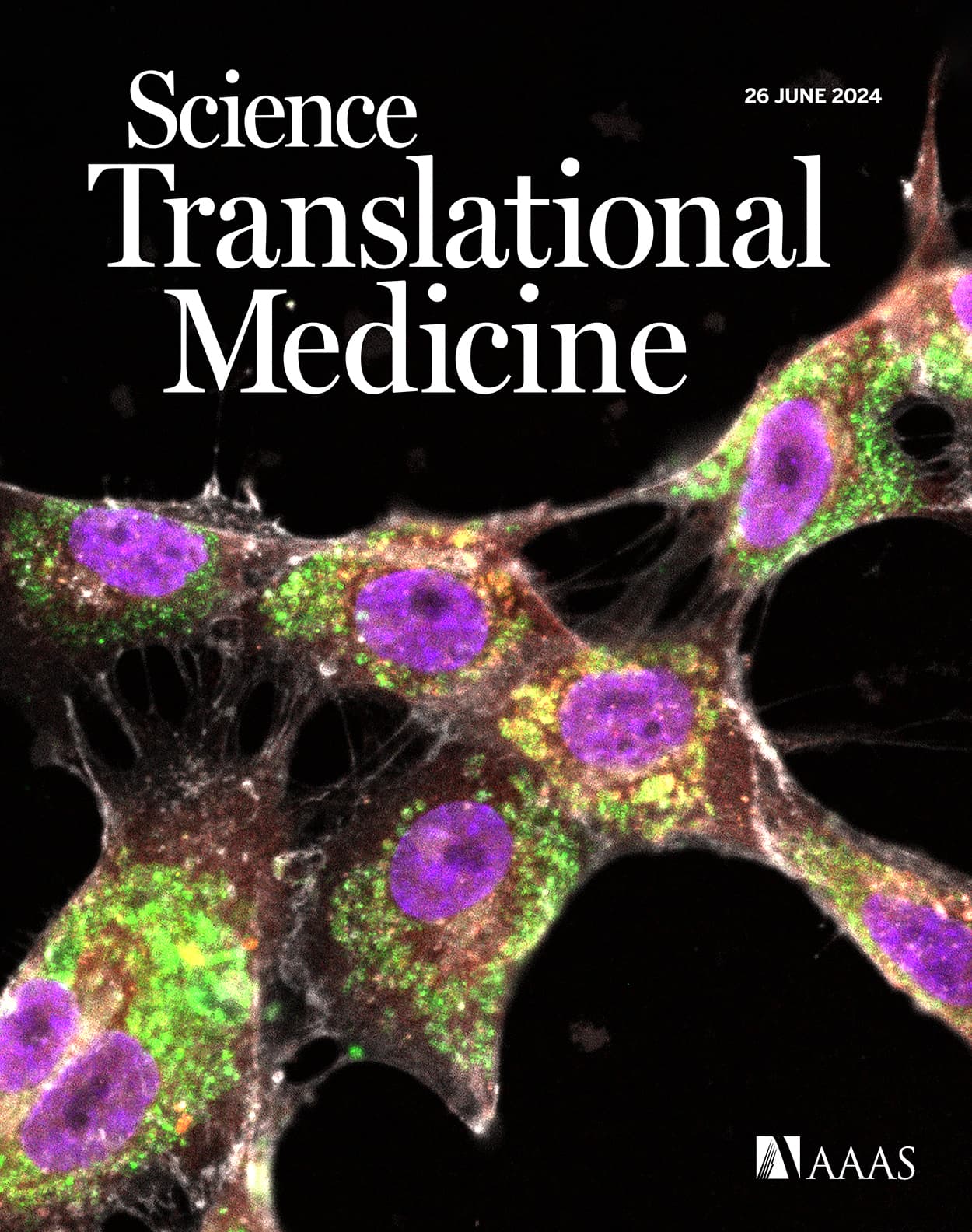
Pluvinage JV, Ngo T, Fouassier C, McDonagh M, Holmes BB, Bartley CM, Kondapavulur S, Hurabielle C, Bodansky A, Pai V, Hinman S, Aslanpour A, Alvarenga BD, Zorn KC, Zamecnik C, McCann A, Asencor AI, Huynh T, Browne W, Tubati A, Haney MS, Douglas VC, Louine M, Cree BAC, Hauser SL, Seeley W, Baranzini SE, Wells JA, Spudich S, Farhadian S, Ramachandran PS, Gillum L, Hales CM, Zikherman J, Anderson MS, Yazdany J, Smith B, Nath A, Suh G, Flanagan EP, Green AJ, Green R, Gelfand JM, DeRisi JL, Pleasure SJ, Wilson MR.
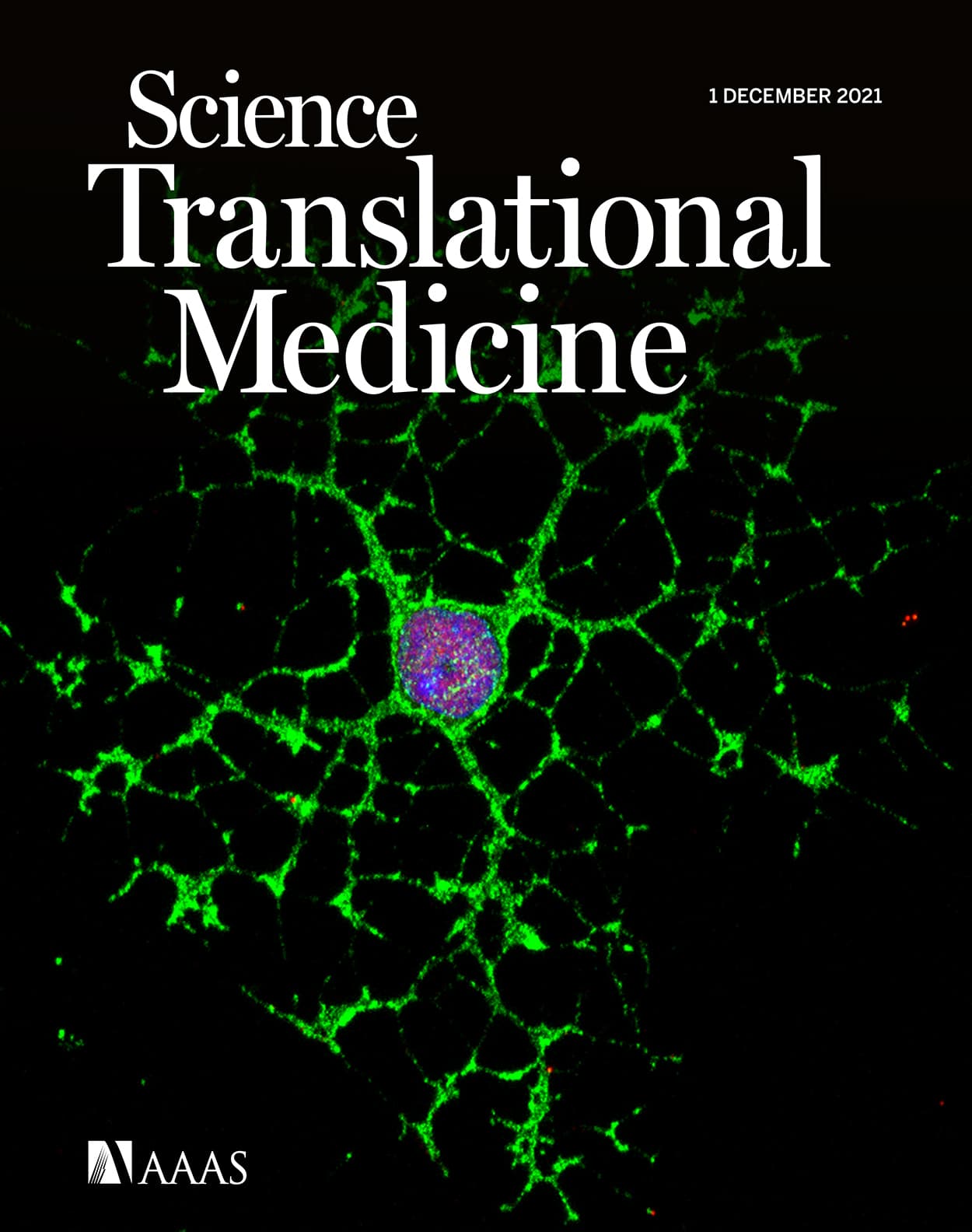
John V Pluvinage, Jerry Sun, Christel Claes, Ryan A Flynn, Michael S Haney, Tal Iram, Xiangling Meng, Rachel Lindemann, Nicholas M Riley, Emma Danhash, Jean Paul Chadarevian, Emma Tapp, David Gate, Sravani Kondapavulur, Inma Cobos, Sundari Chetty, Anca M Pașca, Sergiu P Pașca, Elizabeth Berry-Kravis, Carolyn R Bertozzi, Mathew Blurton-Jones, Tony Wyss-Coray

John V. Pluvinage, Michael S. Haney, Benjamin A. H. Smith, Jerry Sun, Tal Iram, Liana Bonanno, Lulin Li, Davis P. Lee, David W. Morgens, Andrew C. Yang, Steven R. Shuken, David Gate, Madeleine Scott, Purvesh Khatri, Jian Luo, Carolyn R. Bertozzi, Michael C. Bassik & Tony Wyss-Coray

John is an Assistant Professor of Neurology at the University of California, San Francisco. He received his BS in Bioengineering and then MD and PhD from Stanford, investigating mechanisms of microglial aging and rejuvenation. He completed his clinical Neurology residency and postdoctoral fellowship at UCSF focusing on the overlap between autoimmunity and neurodegeneration. His research has been recognized by a Burroughs Wellcome Fund Career Award for Medical Scientists, a NIH K08 Career Development Award, and the American Academy of Neurology’s S. Weir Mitchell Award.
Natalia is a Senior Scientist at the Arc Institute with expertise spanning structural biology, vaccine development, and cell therapy. She earned her PhD from UC Berkeley, where she studied protein structure and signaling using X-ray crystallography. As a scientist in the Kim Lab at Stanford, she contributed to vaccine development efforts targeting SARS-CoV-2 and HIV, before going on to lead the molecular assays group at Adicet Bio. In the Pluvinage Lab, she draws on this interdisciplinary background to develop molecular and biochemical tools that rigorously investigate the underexplored role of autoimmune mechanisms in neurological disease and brain aging. Outside the lab, she enjoys traveling, gardening, and hiking.

Richard is a 1st year Biology PhD student from Stanford. He received his BS in Life Sciences from Ateneo de Manila University (Philippines). He completed his MSc in Molecular Mechanisms at Radboud University (Netherlands), including an internship at Boston Children's Hospital where he developed VHH tools to dissect the basic mechanisms of E2 ubiquitin-conjugating enzymes. Before starting graduate school, he worked at Cradle, a techbio start-up based in the Netherlands, to build high-throughput workflows to characterize and optimize antibody fragments. Outside of work, he enjoys painting, hiking, and reading.
Marcell earned his PhD at UC San Francisco in Yifan Cheng’s lab where he revealed a regulatory structural element in herpesvirus proteases. During his postdoctoral work in Charly Craik’s lab at UCSF, he characterized autoimmune responses in recurrent kidney disease and solved the structure of a patient-derived anti-CD320 autoantibody in complex with its epitope. Before his academic endeavors, Marcell worked at Bayer in the hematology group to develop antibody-based therapies for non-malignant bleeding disorders. Outside the lab, Marcell likes to play table tennis, dine at fun restaurants, and tend to his houseplants.
Sravani received her undergraduate degree in biomedical engineering at UC Berkeley, followed by a research gap year at UCSF with Dr. Steven Hetts designing endovascular interventional devices for chemotherapy filtration from the blood. Afterwards, she attended the Medical Scientist Training Program at UCSF, where she completed a PhD in Bioengineering and received an NINDS F31 grant to study multi-brain region coordination of movement in healthy and stroke rodents for neuromodulation design in Karunesh Ganguly's lab. She then joined UCSF’s neurosurgery residency program, and looks forward to engineering surgical and therapeutic solutions for the variety of neurological disorders. In her free time, she enjoys figure skating, running marathons, and playing with the postdog Berkeley.
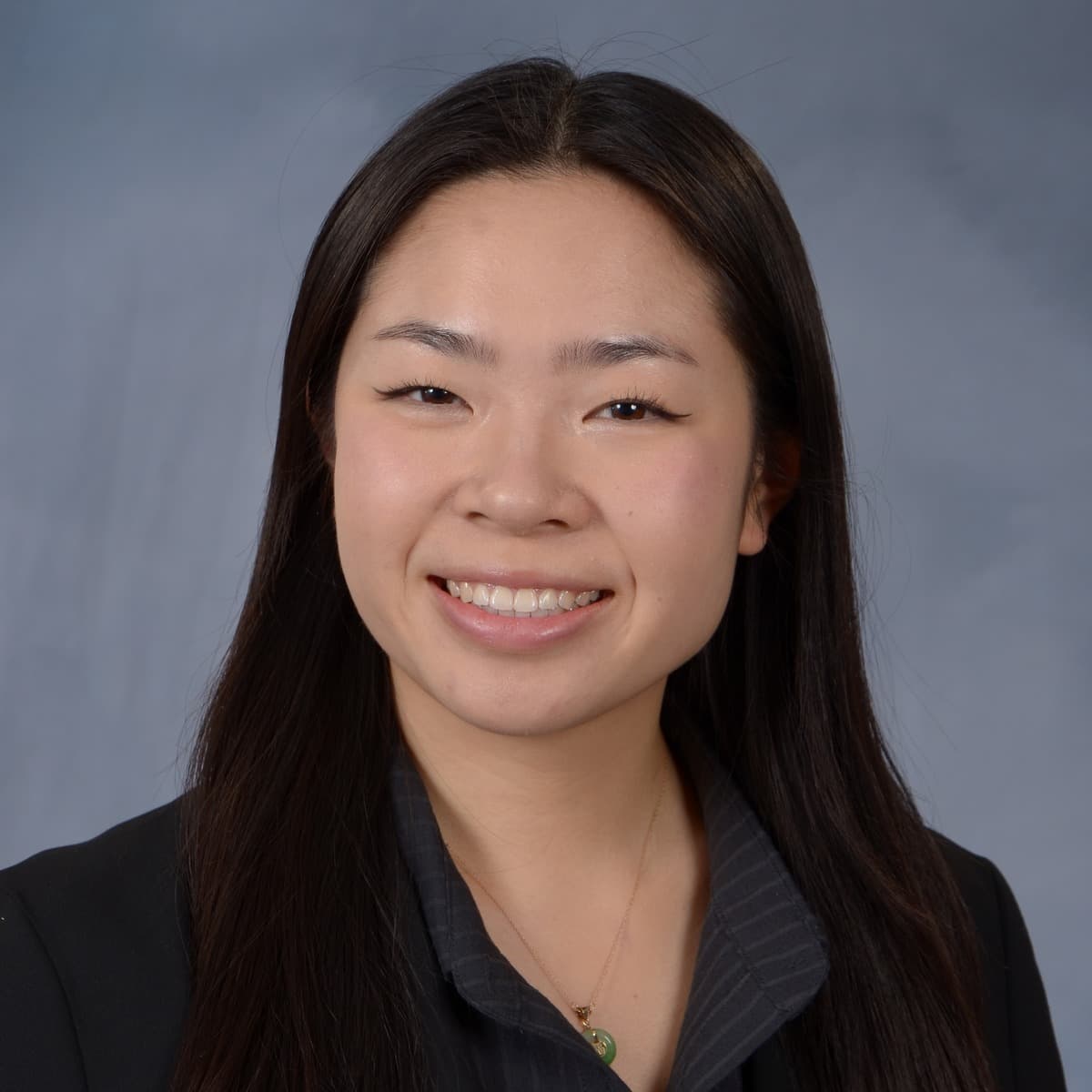
Jessica received her undergraduate degree in Cognitive Science from Yale University, where she studied social computational cognition. She then worked as an AI/Data Scientist at Medtronic (MiniMed) Diabetes, developing personalized machine learning algorithms for glucose monitoring and novel meal-related insights to improve glycemic outcomes. She is an aspiring neurologist interested in movement disorders and medical devices. Outside the lab, she enjoys dancing, mountain biking, and running.
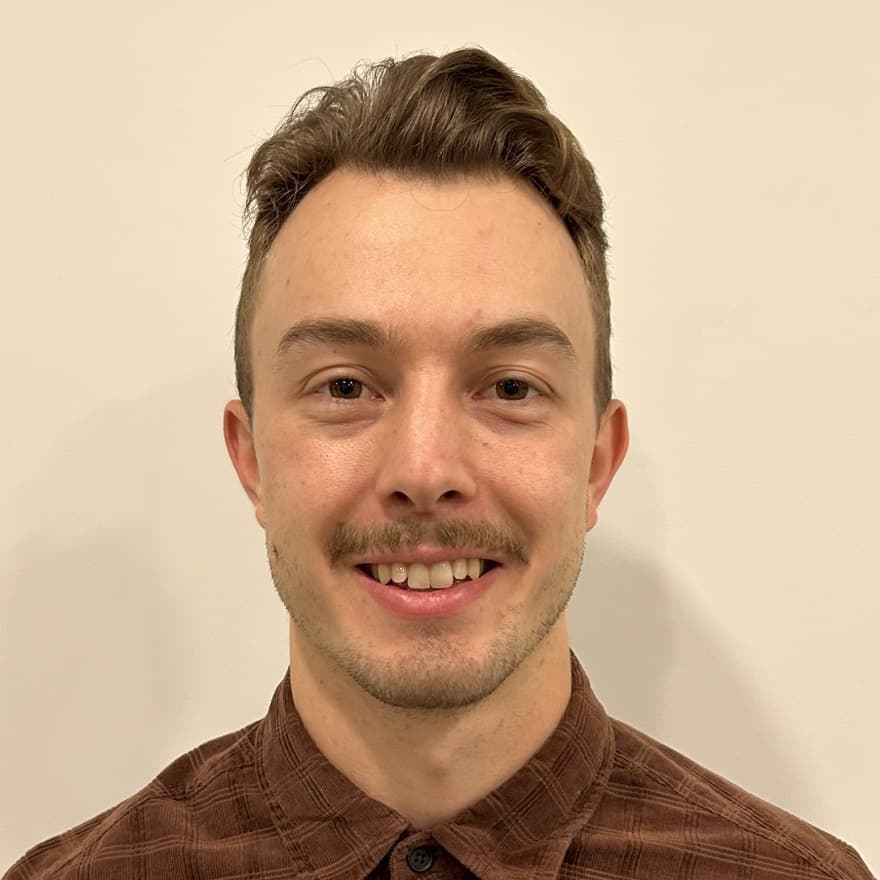
Steven received his PhD in Molecular Genetics from the University of Toronto where he worked in the lab of Benjamin Blencowe. His graduate work focused on developing functional genomics methods for studying alternative splicing and included an exon-resolution single-cell CRISPR screening platform that uncovered how neuron-specific ‘microexons’ regulate neurogenesis and autism-linked pathways. He also worked as an intern at Genentech in Aviv Regev’s group, optimizing in vivo optical pooled CRISPR screens. He is a hybrid experimental and computational scientist interested in applying functional genomics and single-cell method development to better understand the mechanistic basis for neurodevelopmental and neurodegenerative disorders. Outside the lab, he enjoys running marathons, backcountry camping, and traveling.
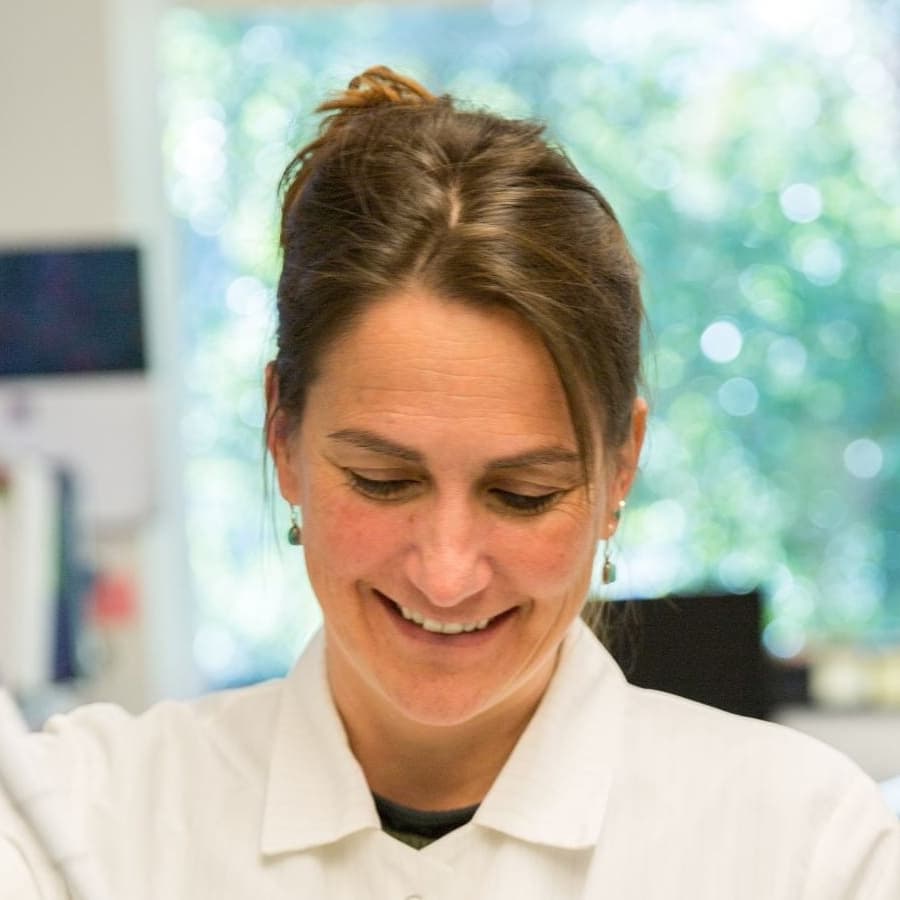
Stephanie brings more than 20 years of experience in stem cell research, including hematopoietic, neural, and cancer stem cells, along with extensive expertise in laboratory management, research operations, and collaborative science. She holds an M.S. in Molecular Biology/Microbiology from San José State University and developed her passion for stem cell research while working with Dr. Irving Weissman at Stanford University, later leading research on hematopoietic stem cell trafficking, vascular biology, and aging megakaryocytes at UC Santa Cruz with Dr. Camilla Forsberg. Outside the lab, Stephanie is an avid home winemaker who has produced award-winning wines.

Berkeley received his BA in human psychology from San Jose State University before completing his PhD on sleep electrophysiology from Stanfur. In his free time, he enjoys chasing squirrels and chewing on milk cartons.