Arc Technology Centers

Building our Institute Initiatives

Arc Technology Centers bring together professional technical staff from five complementary areas of expertise to enable large-scale, team-based research efforts tackling major biological challenges.

We combine experimental biologists, engineers, and machine learning researchers under one roof, working across computational biology, genome engineering, multiomics, advanced cellular models, and mammalian disease models.

The Technology Centers are the driving force behind our two Institute Initiatives, which are long-term, large-scale efforts focused on virtual cell modeling and developing treatments for Alzheimer’s disease.

Simulating biology with frontier AI

Simulating biology with frontier AI

Arc’s Virtual Cell Initiative (VCI) aims to build an accurate virtual cell model that is able to predict the effects of chemical and genetic perturbations on cell state and function across cell types, with the ultimate goal of identifying which perturbations can shift a cell from a diseased state to a healthy one.
Learn more about VCI
Mechanistic therapies for Alzheimer’s

Mechanistic therapies for Alzheimer’s

Arc’s Alzheimer’s Disease Initiative (ADI) tackles the complex landscape of Alzheimer’s by integrating human genetics, advanced cellular models, and causal inference from large-scale perturbation data to uncover shared mechanisms across disease risk factors and advance new therapies.

Learn more about ADI

Arc's Five Technology Centers

Icon

Genome Engineering

Our Genome Engineering Tech Center advances new molecular engineering and genome editing tools, with a focus on large-scale screens to investigate the causal linkage between genome, transcriptome, and cellular phenotype in physiology and disease.

Some of the things we’re currently working on:

  • Expanding perturbation space into challenging cell types
  • Enabling arrayed screening in complex model systems
  • Developing new and enhanced CRISPR modalities
  • Advancing single cell screening technologies
Card Image

Meet Arc's Tech Center Leaders

These experts bring a wealth of experience and knowledge in cutting-edge technologies, empowering the Institute to push the boundaries of biomedical discovery.

  • Meet Arc's Tech Center Leaders

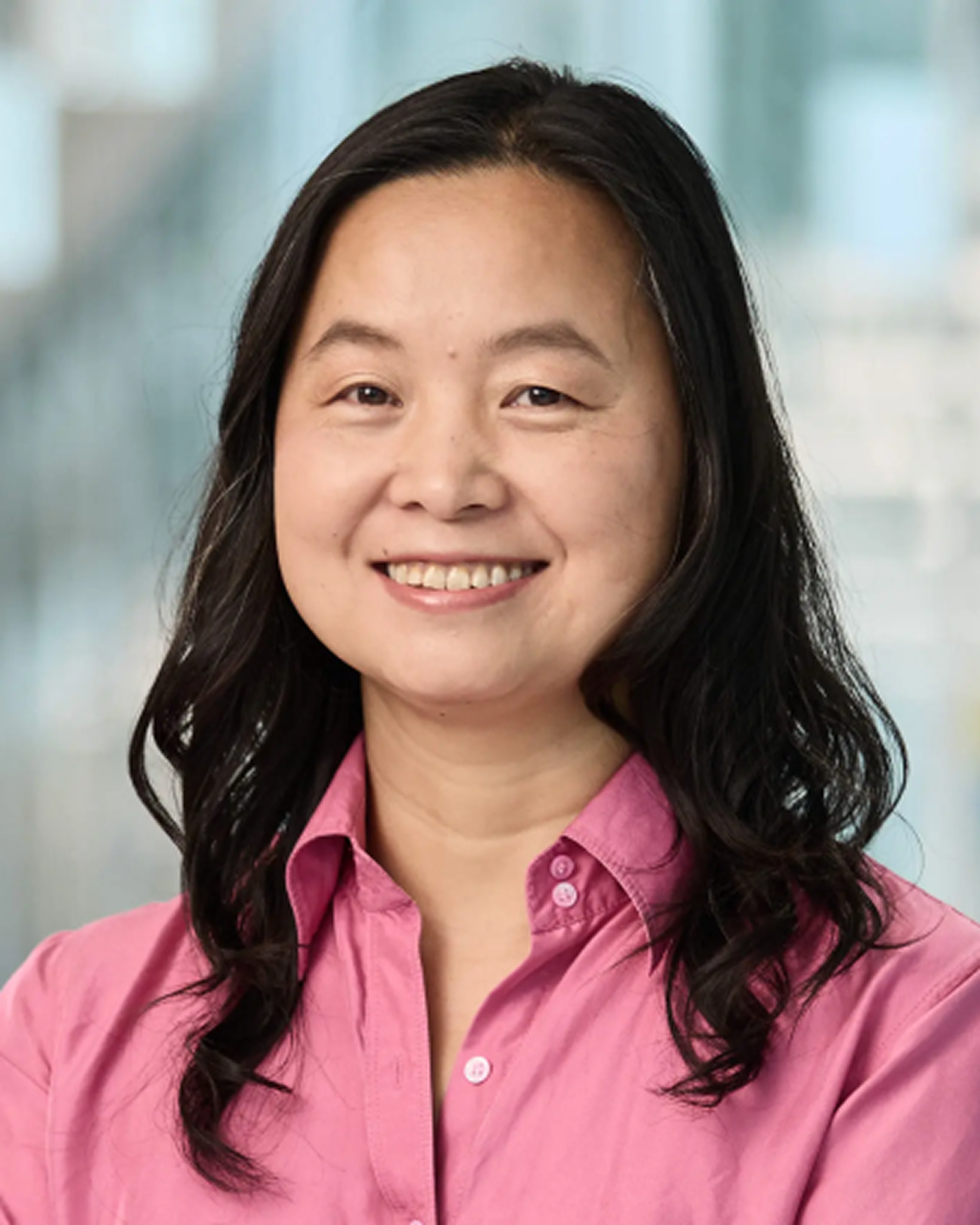
    Nianzhen Li

    Senior Director, Multiomics

    Nianzhen leads Arc’s Multiomics Technology Center. She received her Ph.D. in Molecular, Cellular, and Developmental Biology from Iowa State University followed by postdoctoral research in bioengineering at the University of Washington. She started her career at Fluxion Biosciences and previously held leadership positions at Fluidigm, Mission Bio, and Deepcell.

  • Meet Arc's Tech Center Leaders

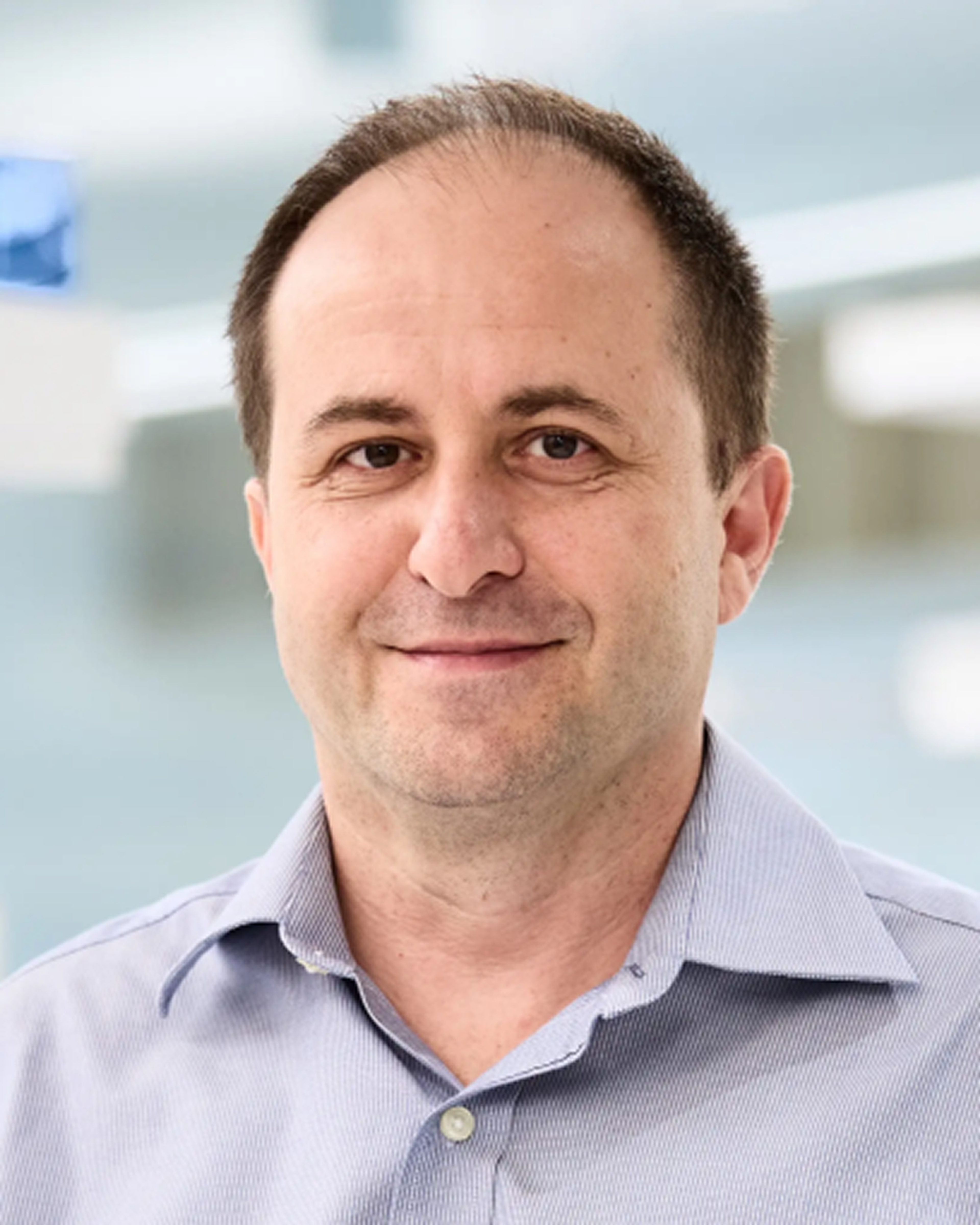
    Alexander Dobin

    Director, Bioinformatics

    Alex leads the Bioinformatics group at Arc’s Computational Technology Center. He earned a Ph.D. in Physics from the University of Minnesota and conducted research at Cold Spring Harbor Laboratory focusing on multiomics data, developing foundational RNA-seq tools such as STAR and STARsolo, and studying single-cell transcriptomics of pancreatic cancer.

  • Meet Arc's Tech Center Leaders

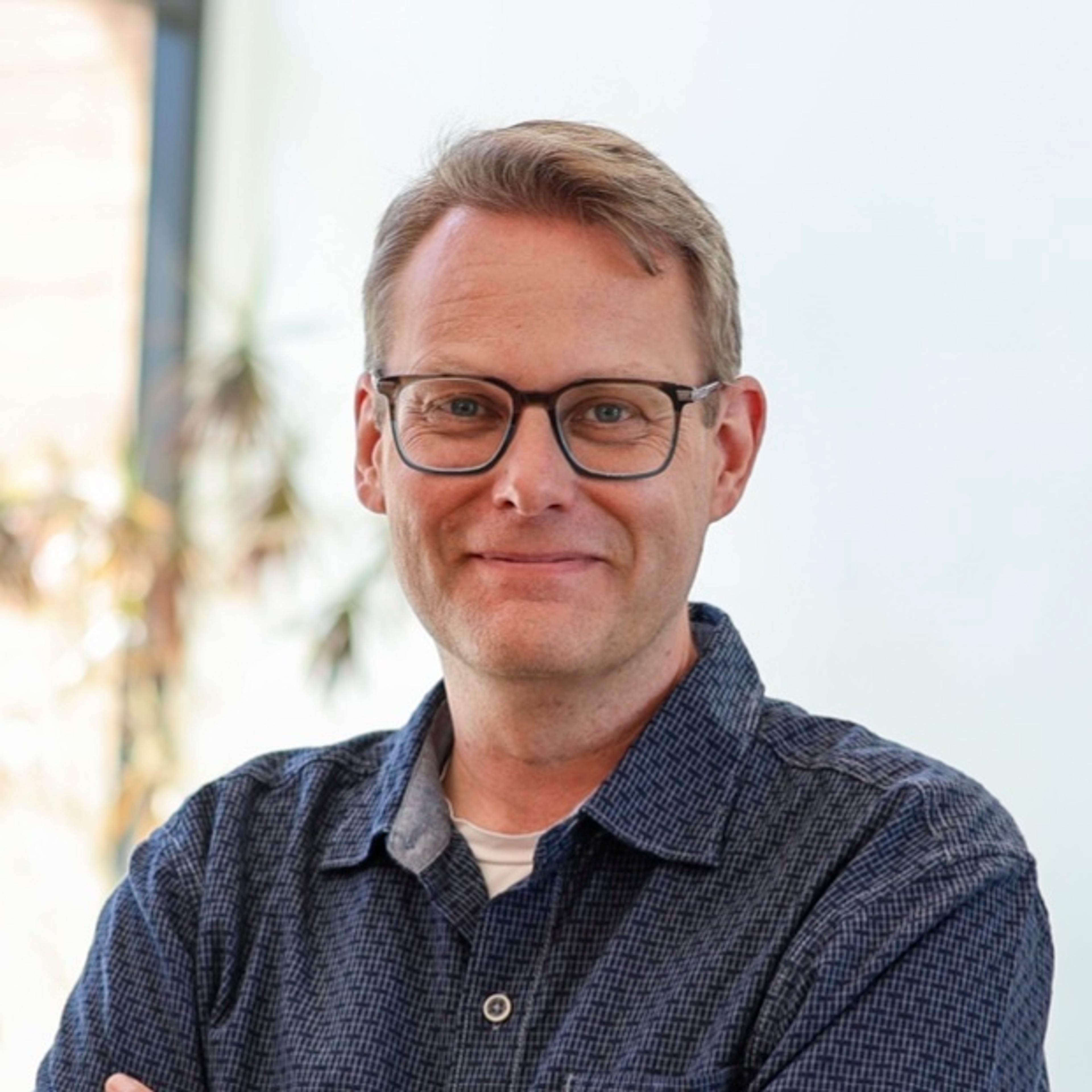
    Yusuf Roohani

    Associate Director, Machine Learning

    Yusuf leads the Machine Learning group within Arc’s Computational Technology Center. He received his Ph.D. in Biomedical Informatics from Stanford University, where his research focused on building machine learning models of cell state, particularly for predicting cellular response to perturbation. Before his Ph.D., Yusuf worked at GSK for four years as a Machine Learning Engineer, building computational models for early-stage drug discovery using high throughput screening data.

  • Meet Arc's Tech Center Leaders

    Paul Datlinger

    Associate Director, Genome Editing

    Paul invented CROP-seq for single-cell CRISPR screens, and scifi-RNA-seq for high-throughput profiling. He received his Ph.D. in Molecular Medicine from the University of Vienna, Austria and led teams in academia and industry (CeMM, Illumina AI Lab, Xaira Therapeutics). His group is part of Arc's Virtual Cell Initiative, building the single-cell screens of the future to create a Virtual Cell model with a special focus on T cell engineering.

  • Meet Arc's Tech Center Leaders

    Kristen Seim

    Associate Director, Molecular Engineering

    Kristen leads the Molecular Engineering group at Arc's Genome Engineering Technology Center. She earned a Ph.D. in Bioorganic Chemistry from UC Berkeley and completed her postdoctoral training at Harvard University. She later moved into synthetic biology and gene editing, developing protein engineering platforms at Antheia and Graphite Bio.

  • Meet Arc's Tech Center Leaders

    Tony Hua

    Associate Director, Functional Genomics

    Tony leads the Functional Genomics group at Arc’s Genome Engineering Technology Center. He earned a Ph.D. in Medical Biophysics from the University of Toronto and completed postdoctoral research in cancer biology at UCSF. Tony has since advanced cell therapy through functional genomics and synthetic biology, developing high-throughput platforms at Senti Biosciences.

  • Meet Arc's Tech Center Leaders

    Dara Leto

    Associate Director, Functional Genomics

    Dara leads a Functional Genomics group generating single-cell gene perturbation datasets across cell contexts as part of Arc's Virtual Cell Initiative. She earned her Ph.D. from the Cell and Molecular Biology Program at the University of Michigan and completed postdoctoral research at Stanford University, where she used functional genomics to study protein quality control. Before joining Arc, she contributed to therapeutic programs at Arena Bioworks and Denali Therapeutics, applying high-throughput approaches to advance preclinical research and identify novel targets.

  • Meet Arc's Tech Center Leaders

    Lorena Saavedra

    Associate Director, Stem Cell Platforms

    Lorena leads the Stem Cell Platform team within Arc's Cellular Models Technology Center. She received her Ph.D. in Biology from the University of Puerto Rico, followed by a postdoctoral fellowship in Neuroscience and Cell Biology at Tufts University in Boston. Previously, Lorena spearheaded the development and optimization of industry platforms for in vitro disease modeling and drug discovery at Neucyte using human stem cells, as well as nanoscale proteomics for clinical research at Molecular Decisions.

  • Meet Arc's Tech Center Leaders

    David Lara Astiaso

    Associate Director, In Vivo Functional Genomics

    David leads the In vivo Functional Genomics group within Arc’s Mammalian Models Technology Center. He received his Ph.D. in Biology from The Weizmann Institute of Science, where he developed single-cell and epigenetic profiling methods to characterize genome regulatory elements shaping immune functions in vivo. He conducted his postdoctoral research at the University of Cambridge, where he used in vivo perturbation methods to study the roles of epigenetic regulators in hematopoietic differentiation and leukemic transformation.

  • Meet Arc's Tech Center Leaders

    Po-Yuan Tung

    Associate Director, Single Cell Technology Development, Multiomics

    Po-Yuan leads the Single Cell Tech Dev within Arc’s Multi-Omics Technology Center. She earned her Ph.D. in Biochemistry, Molecular, Cellular and Developmental Biology (BMCDB) from the University of California, Davis, followed by a postdoctoral fellowship in Human Genetics at the University of Chicago. Since then, she has advanced the development of multimodal single-cell assays by combining novel microfluidic systems and cutting-edge NGS readouts at Berkeley Lights, as well as target enrichment for various applications at Twist.