Meet John Pluvinage, Arc’s 9th Core Investigator and first physician-scientist
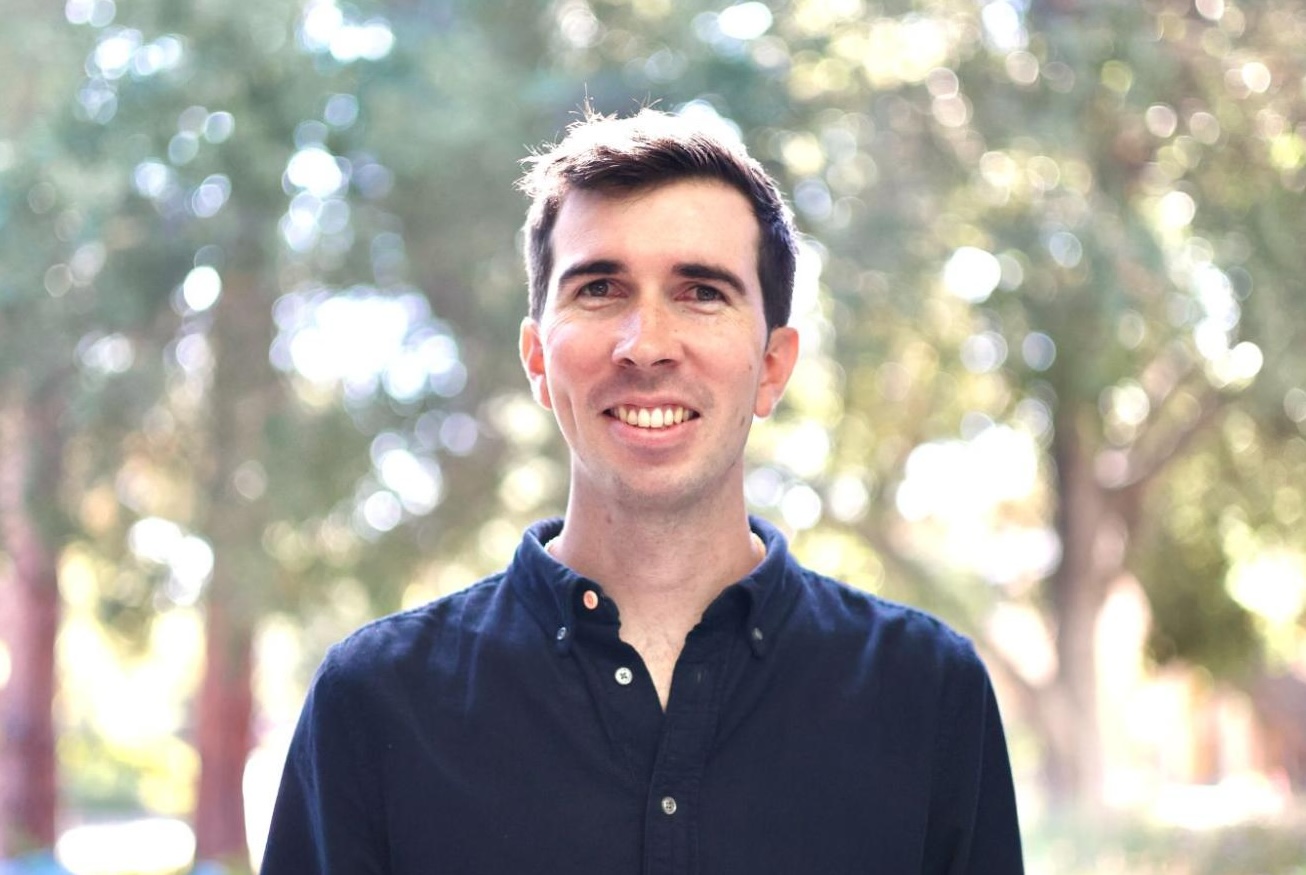
John Pluvinage (X: @jvpluv), Arc’s 9th Core Investigator and first physician-scientist, has arrived and is now setting up his lab. Pluvinage investigates the overlap between autoimmunity and neurodegeneration, aiming to decipher mechanisms and design targeted treatments for undiagnosed autoimmunity in rare neurological mystery cases, common dementias, and healthy brain aging.
Pluvinage received his BS in Bioengineering and then MD and PhD from Stanford, investigating mechanisms of microglial aging and rejuvenation. He recently completed his clinical neurology residency and postdoctoral fellowship at UCSF, where he will join as an incoming Assistant Professor of Neurology after a joint search with Arc, bridging the two institutions.
Below, Pluvinage discusses how a single patient led to discovering a hidden form of B12 deficiency, his vision for developing targeted treatments for autoimmune neurological conditions, and the questions he hopes to pursue at Arc.
How does your clinical experience as a neurologist inform your research approach?
My clinical training helps me ask important questions that are relevant to my patients, and my scientific training helps me look at those questions practically and mechanistically. I love speaking both languages (of clinical neurology and basic neuroscience), and hopefully it will help our goals to see things all the way through from the lab back to the clinic.
For example, during my neurology residency, we discovered a new form of B12 deficiency undetectable on standard blood tests. It started with a single patient who had mysterious neurological symptoms. Using unbiased discovery technologies, we identified an autoantibody targeting the vitamin B12 transporter at her blood brain barrier. Despite normal serum levels, B12, a critical vitamin for brain health, was nearly undetectable in her cerebrospinal fluid. Based on these findings, the patient was empirically treated with steroids and B12 supplementation and improved. To our surprise, we identified the same autoantibody targeting the exact same epitope in 10% of dementia, 20% of neuropsychiatric lupus, 50% of idiopathic spinal cord disorders and, curiously, 6% of healthy controls. Thus, this N=1 study evolved into the discovery of a new mechanism of autoimmune neurologic disease that is both prevalent and potentially treatable.
What attracted you to Arc?
As I started to learn more about Arc and meet people here, it became clear that this place is all about the science and specifically designed for high-risk, high-reward research.
From the other Core Investigators and Fellows to the Tech Centers to the support teams, there is a really unique mixture of expertise here that is distinct from my own area of expertise. These are the kinds of situations that I like to be in and the situations where the best collaborations arise.
What broader questions has your work on autoimmune encephalitis raised that you hope to pursue at Arc?
The extent to which the immune system affects how we think is unknown. I am excited to explore how the entire immune repertoire modulates cognitive function. Autoimmunity is enriched in several neurodegenerative conditions, but its contribution as a potential “second hit” is unclear. One goal of the lab will be to identify the source, target, and mechanisms of autoantibodies that exacerbate dementia, and, even more exploratory, to search for potential protective autoantibodies that promote cognitive resilience.
Will you be building any new tools or therapies?
Yes! I'm really looking forward to the prospect of creating new tools to more accurately and functionally dissect autoimmunity. Arc has a high density of functional genomic and computational expertise in the building, and I can’t wait to work with them on applying these technologies to the fields of autoimmunity and neurodegeneration. The hope is to substantially accelerate target discovery.
On the therapeutic side, the toolbox of immunomodulatory drugs is rapidly expanding. However, current treatments for many autoimmune neurologic conditions are nonspecific, ineffective, and/or neurotoxic. I'm excited to work with folks at Arc and our partner universities to design next-generation antigen-specific therapeutics.
What types of people are you hoping will join your lab?
I’m looking for anyone who is curious and motivated to push the boundaries of neuroimmunology. I'm agnostic to training (whether it be in immunology, genetics, computer science, chemistry, etc.), and I think the best teams bring together people with diverse perspectives who can learn to speak a common language. Scientific discovery is thrilling, and it is especially gratifying when it helps real people. My goal for everyone in the lab is to experience this firsthand.