Arc Institute Adds Two New Labs; Announces 2025 Cohort of Innovation Investigators and Ignite Awardees
- John Pluvinage, MD, PhD, joins as Core Investigator and Maya Arce, PhD, joins as Science Fellow, expanding Arc’s focus in immunology, genetics, and neuroscience
- Seven researchers welcomed as Innovation Investigators and fifteen scientists receive Ignite Awards, growing Arc’s support for visionary ideas at its partner universities
- Arc continues to search for new Core Investigators and Science Fellows in 2026
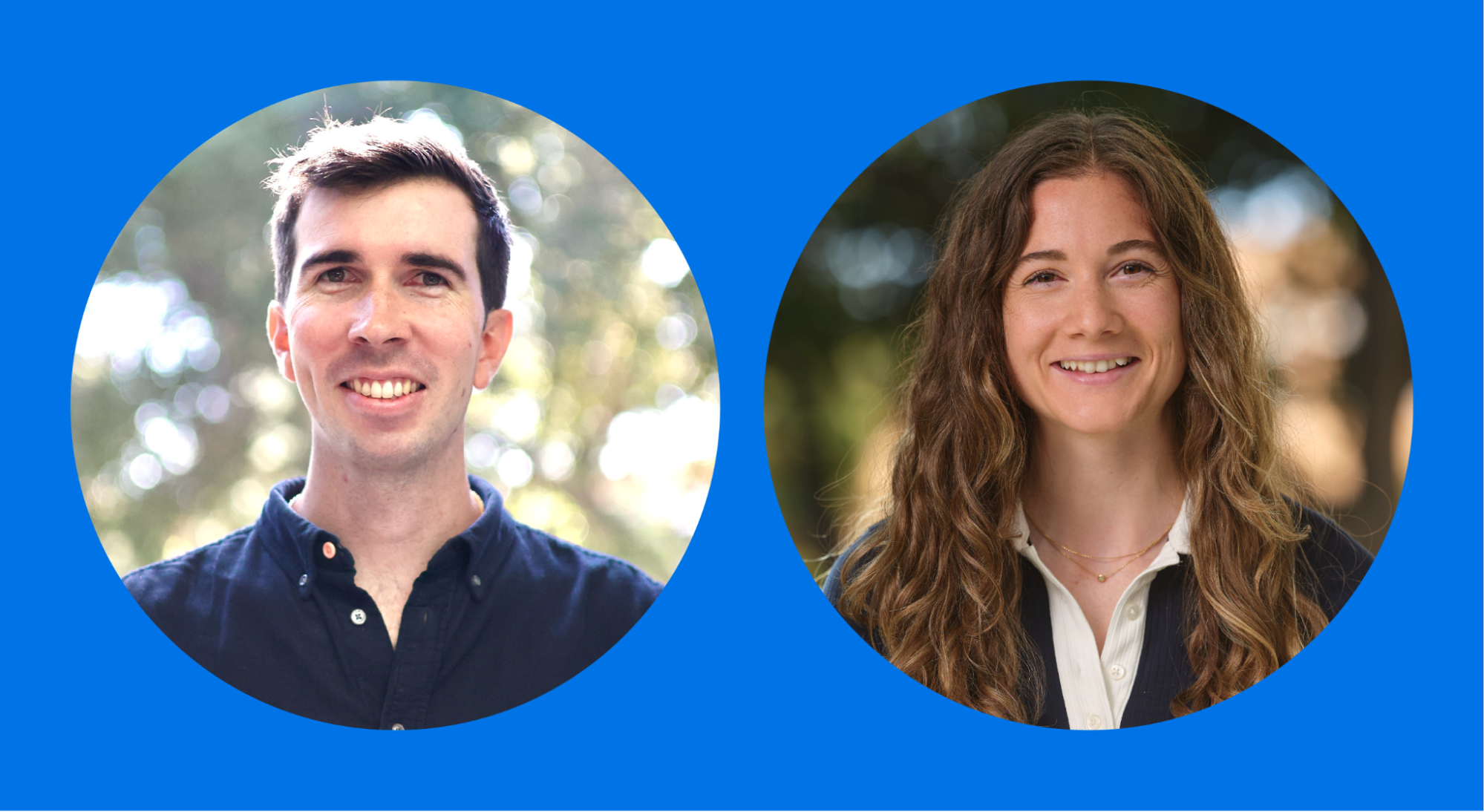
Arc Institute is welcoming 24 leading scientists to its research community this Fall. This includes two new principal investigators establishing labs at Arc's Palo Alto headquarters, Core Investigator John Pluvinage, MD, PhD, and Science Fellow Maya Arce, PhD, as well as 7 Innovation Investigators and 15 Ignite Awardees at our partner universities.
With these additions, Arc now has 9 Core Investigators, 3 Science Fellows, and 2 Innovation Investigators in Residence across 14 laboratories, plus a growing network of Arc-funded researchers at Stanford University, UC Berkeley, and UC San Francisco. Their work spans across Arc’s focus areas, which include human genetics, neurobiology, immunology, computational science, chemical biology, and technology development.
“Adding these spectacular researchers to Arc’s community shows how quickly we are scaling up into the kind of place where scientists want to do their most ambitious work," says Arc Co-Founder and Core Investigator Patrick Hsu, PhD. "We're building the critical mass needed to tackle really hard problems together."
Arc is actively seeking a new Science Fellow in one of our six focus areas. We also have an ongoing search for a Core Investigator working at the interface of computational biology, immunology, and neurobiology.
"Scientific breakthroughs in biology's toughest open problems are increasingly collaborative and interdisciplinary," says Arc Executive Director, Co-Founder, and Core Investigator Silvana Konermann, PhD. "By converging expertise across these key disciplines, both at Arc and through our partner universities, we create the conditions for fundamental discoveries that can transform our understanding and treatment of complex human disease."
Core Investigator Program
Arc's Core Investigators are appointed for renewable eight-year terms and receive unrestricted funding to pursue creative, bold research with complete autonomy. Core Investigators maintain their labs at Arc and can also hold faculty positions at one of Arc's partner universities. Joining us in late October is:
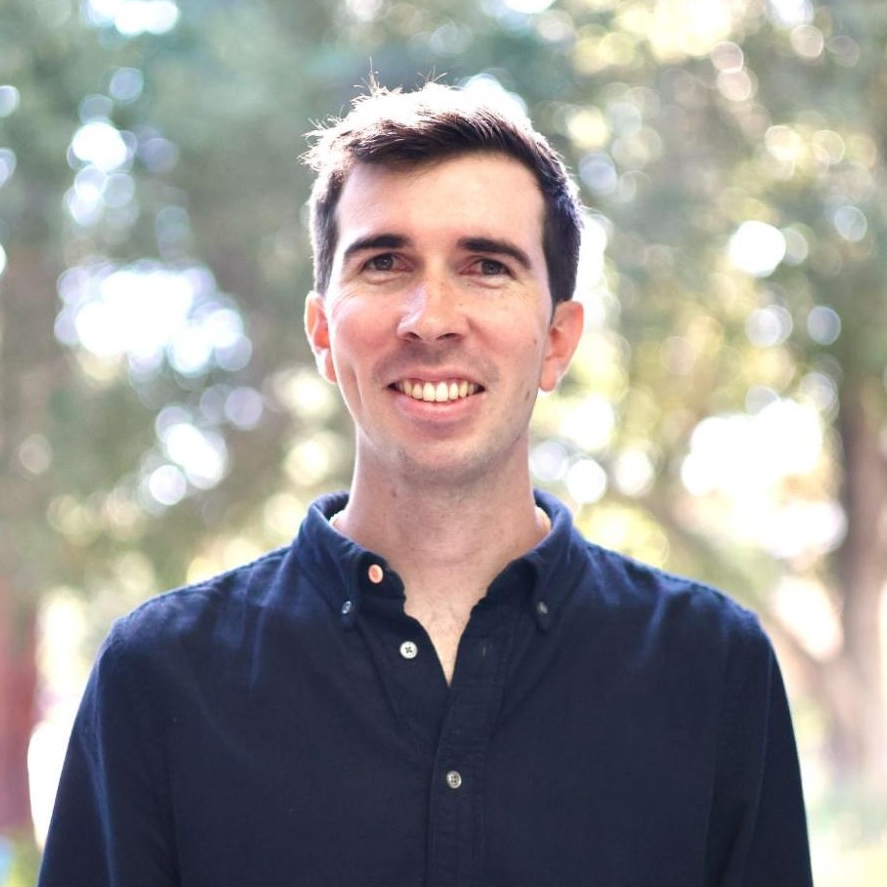
John Pluvinage, Arc’s 9th Core Investigator, and first physician-scientist
 Affiliations
Arc Institute, UC San Francisco |
John Pluvinage, MD, PhD, investigates the overlap between autoimmunity and neurodegeneration. As a physician-scientist, his research aims to decipher the mechanisms of and design targeted treatments for undiagnosed autoimmunity in rare neurological mystery cases, common dementias, and healthy brain aging. John received his BS in Bioengineering and then MD and PhD from Stanford, investigating mechanisms of microglial aging and rejuvenation. He recently completed his clinical neurology residency and postdoctoral fellowship at UCSF, where he will join as an incoming Assistant Professor of Neurology. His research has been recognized by a Burroughs Wellcome Fund Career Award for Medical Scientists, a NIH K08 Career Development Award, and the American Academy of Neurology's S. Weir Mitchell Award. |
Open Search for Core Investigator
Continuing our search with Stanford’s Department of Bioengineering, Arc is seeking a senior faculty member leading the field in computational biology or machine learning, neurobiology, or immunology to join the Institute as a Core Investigator and Stanford as an Associate or Full Professor. New applications will continue to be accepted until the position is filled.
Science Fellow Program
Arc's Science Fellows are outstanding early-career scientists who are looking to transition into principal investigator roles immediately after doctoral training. These exceptional scientists lead independent labs at Arc that pursue innovative high-risk, high-reward research. Fellows receive full funding for a small research group and are appointed for a five-year term. The researcher who opened her first lab at Arc in September is:
Maya Arce, Arc’s 3rd Science Fellow, who studies the genetics of autoimmune diseases
 Affiliation
Arc Institute |
Maya Arce, PhD, uses genomic screening and gene editing to understand how genetic variation influences immune cell behavior and autoimmune disease risk. Her lab aims to move beyond studying individual genetic variants to investigating how combinations of variants together determine disease susceptibility. Using CRISPR screens and single-cell genomics, her work focuses on uncovering the regulatory mechanisms that control T cell identity and function, with the goal of identifying new therapeutic targets for autoimmune diseases. Maya received her PhD in Biomedical Sciences from UCSF, where she worked in former Ignite Awardee Alex Marson's lab studying gene regulatory networks in T cells. Maya’s doctoral research on MED12's role in governing T cell rest and activation was published in Nature in December 2024. Her work has been driven by a personal connection to autoimmune disease and a commitment to bridging genomics, biochemistry, and molecular biology to understand the mechanistic basis of immune dysfunction. |
Open Search for Science Fellows
Early-career scientists (PhD, MD, or MD/PhD graduates from 2024 to 2026) ready to launch their own lab are invited to apply to become an Arc Science Fellow. Research programs in the fields of computational science/machine learning, chemical biology, human genetics, immunology, neurobiology, or technology development are welcome.
Innovation Investigator Program
Arc's Innovation Investigators are awarded $1 million in unrestricted funding from Arc over the 5-year term of their appointment. During this time, they maintain their lab and position at their affiliated university, while benefiting from access to Arc resources, including our Technology Centers and scientific core facilities. Our 7 new Innovation Investigators include:
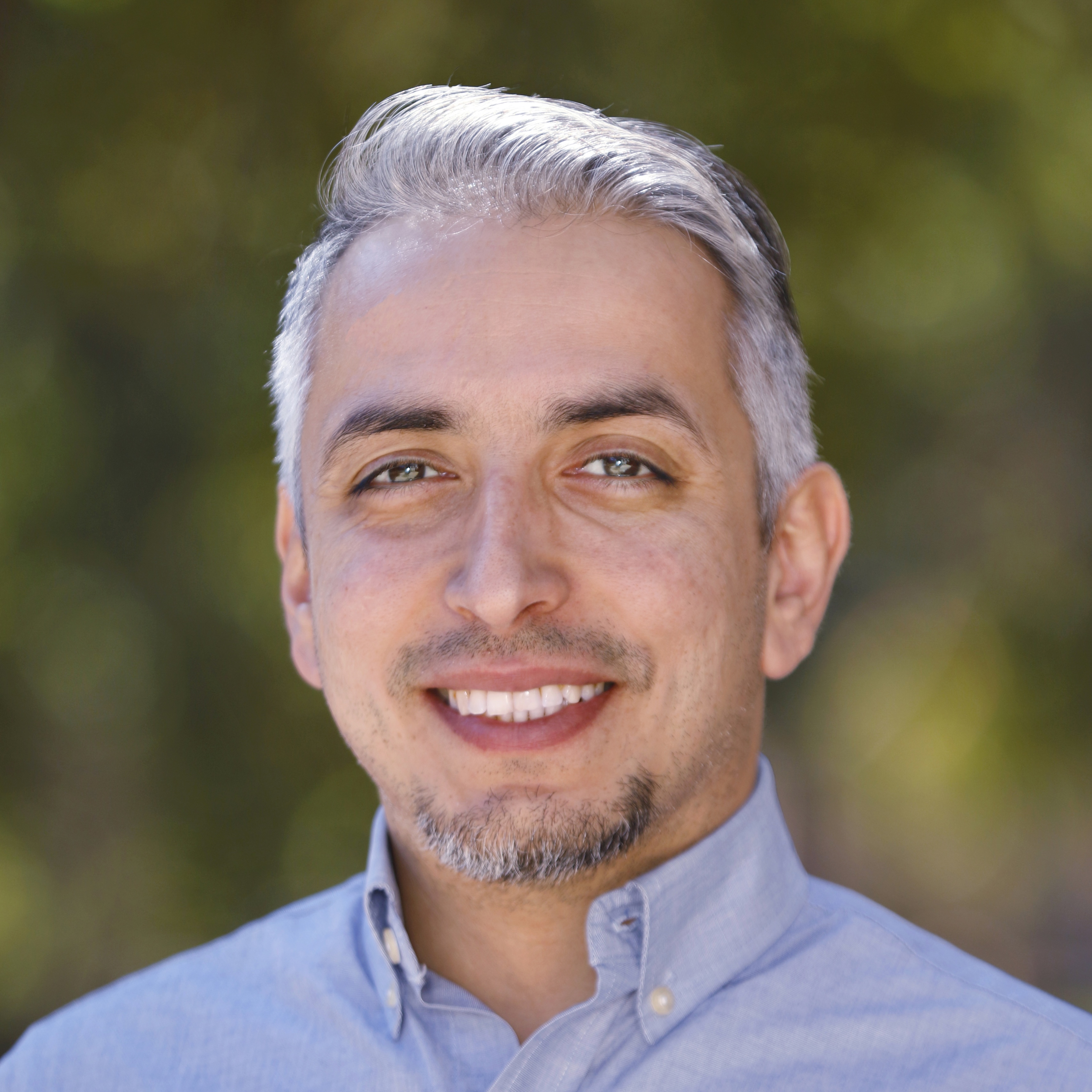
Monther Abu-Remaileh, PhD, Assistant Professor of Chemical Engineering and of Genetics
 Affiliation
Stanford University |
The Abu-Remaileh Lab studies how lysosomes regulate cellular and organismal health, with a focus on lipid metabolism and neurodegeneration. By combining biochemistry, genetics, proteomics, and metabolomics, the lab discovers fundamental mechanisms of lysosomal biology and identifies new therapeutic strategies for diseases ranging from lysosomal storage disorders to Parkinson's and Alzheimer's. Their work has led to the discovery of new lysosomal proteins, such as identifying CLN5 as the lysosomal BMP synthase, pathways that control lipid homeostasis, and druggable targets for restoring lysosomal function. |
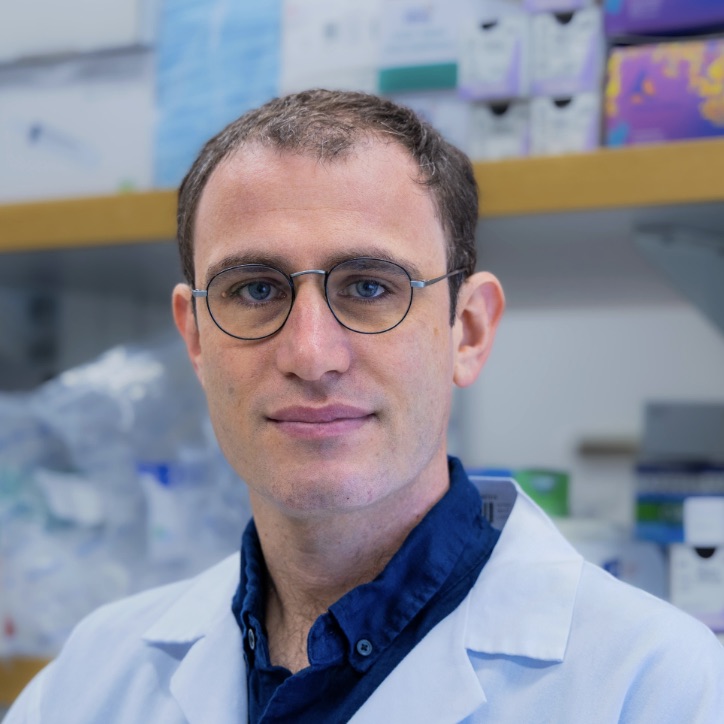
William Allen, PhD, Assistant Professor of Developmental Biology
 Affiliation
Stanford University |
The Allen Lab aims to understand fundamental principles underlying the homeostasis, plasticity, and resilience of cells and circuits in the mammalian brain. Their approach bridges molecular, cellular, and systems neuroscience to obtain comprehensive insights into mechanisms of brain function and dysfunction at multiple scales. To answer previously intractable questions and expand our ability to engineer biological systems, they develop new technologies that span computation, synthetic biology, imaging, genomics, and neuroscience, with a focus on studying how the brain establishes and maintains physiological function, how these processes are disrupted with damage or age, and how we might repair or rejuvenate the brain. |
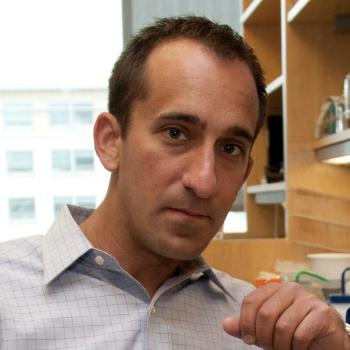
Michael Fischbach, PhD, Professor of Bioengineering
 Affiliation
Stanford University |
The Fischbach Lab studies the mechanisms of microbiome-host interactions using two key technologies they recently developed: a complex 119-member defined gut community that serves as an analytically manageable but biologically relevant system for experimentation, and new genetic systems for common species from the microbiome. Using these systems, they investigate mechanisms at both the community and strain levels to understand how the microbiome produces molecules that impact host physiology, modulates immune function, and maintains stability. Their goal is to learn rules that will enable the design of engineered microbial communities for therapeutic purposes. |
Jennifer Listgarten, PhD, Professor of Electrical Engineering and Computer Science
 Affiliation
UC Berkeley |
The Listgarten Lab develops statistical machine learning and AI methods to solve problems in molecular biology, with a special focus on protein engineering and related topics. Their purely computational group spans forward-looking methodological development to tight, multi-year collaborations with wetlab scientists. Current work includes computational methods for protein design and optimization for properties such as expression, fluorescence, binding, and stability, as well as related methods for molecule design and chemical reactions. Previous areas of focus include statistical genetics and epigenetics, CRISPR guide design, LCMS proteomics, and immunoinformatics. |
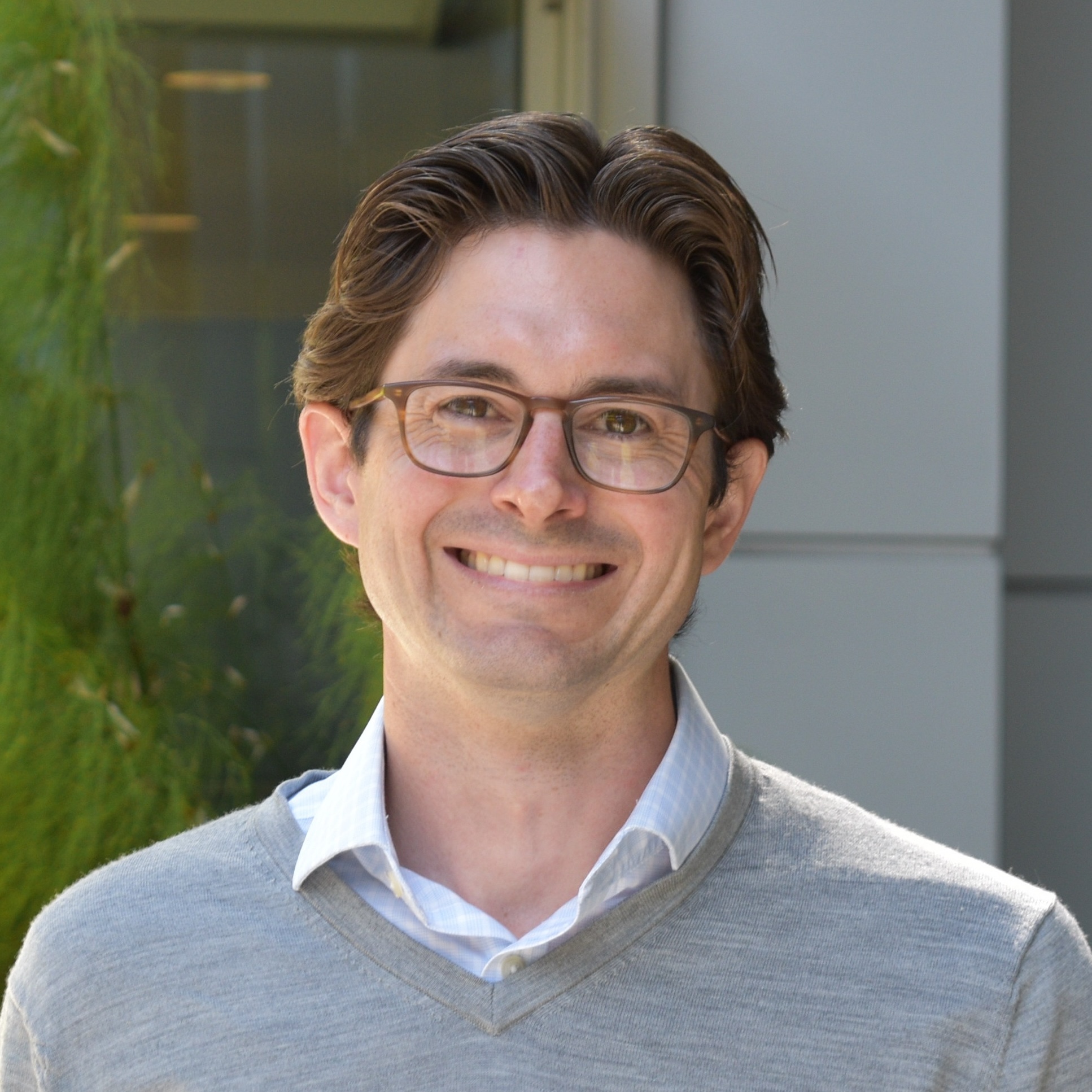
Matthew Spitzer, PhD, Associate Professor of Otolaryngology
 Affiliation
UC San Francisco |
The Spitzer Lab studies how the immune system coordinates its activity to execute immune responses against cancer. The lab blends experimental and computational approaches, including high-dimensional single-cell analysis and systems immunology methods, to understand the complex circuits and regulatory processes that guide immune system decision-making. Their work examines the systemic impact of cancer on immune function, T cell priming in cancer, and mechanisms of effective immunotherapy in patients. A central goal is to harness immune responses to fight cancer by designing more effective immunotherapies for breast cancer, head and neck cancer, and other malignancies. |
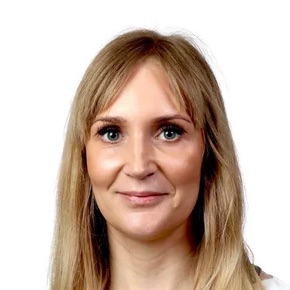
Katrin Svensson, PhD, Associate Professor of Pathology
 Affiliation
Stanford University |
The Svensson Lab discovers previously unrecognized endogenous peptides that modulate appetite, metabolism, and disease pathways. By integrating computational prediction, proteomics, pharmacology, genetics, and cross-species in vivo validation, the lab delineates mechanisms and identifies bioactive peptides with therapeutic potential for obesity and metabolic disease. Recent work includes developing AI-driven approaches to identify novel peptide hormones and discovering BRP, a naturally occurring molecule that suppresses appetite and promotes weight loss in animal models without the side effects associated with current GLP-1 drugs. The goal is to advance fundamental biology and uncover new mechanisms of peptide signaling for treating metabolic disorders. |
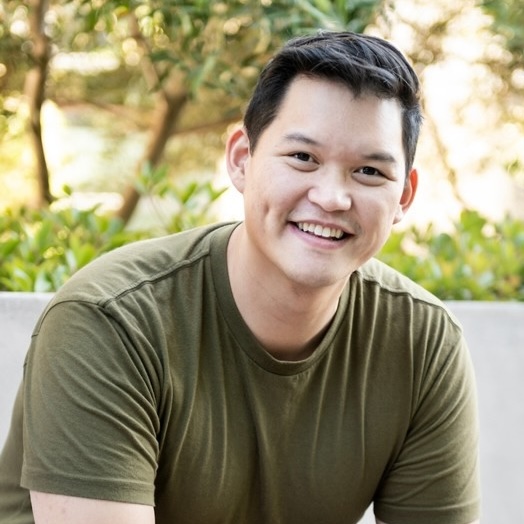
Andrew Yang, PhD, Assistant Professor of Neurology
 Affiliations
UC San Francisco, Gladstone Institutes |
The Yang Lab develops new molecular approaches to decode the meaning, mechanisms, and therapeutic relevance of crosstalk between the brain and body. Using chemical biology, proteomics, single-cell profiling, imaging, and functional approaches, the lab studies how proteins and immune cells communicate across the blood-brain barrier to maintain brain health. Their work has revealed that the blood-brain barrier is far more permeable than previously thought, with many Alzheimer's disease risk genes expressed in barrier cells. By deciphering the molecular logic of brain-body communication, their research aims to enable new drug delivery strategies and cell therapies for neurodegenerative diseases. |
Ignite Award Program
Arc's Ignite Award Program grants awardees at our partner universities a one-time $100,000 gift to kickstart exciting ideas that would be difficult to fund via traditional funding mechanisms. The 15 faculty receiving an award include:
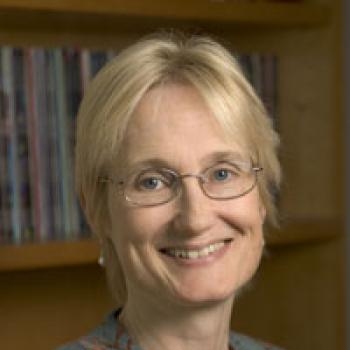
Professor of Neurology
Katrin Andreasson, MD
Stanford University
The Andreasson Lab investigates how innate immune responses initiate and drive neurological diseases.
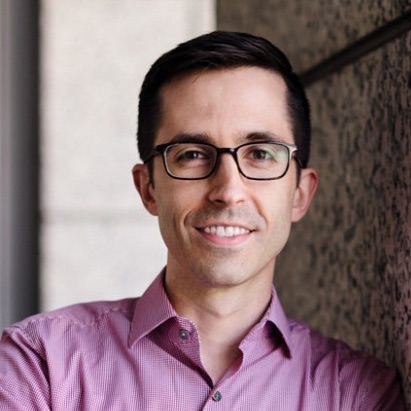
Assistant Investigator and Assistant Professor of Neurology
Ryan Corces, PhD
Gladstone Institutes, UC San Francisco
The Corces lab pairs massive-scale single-cell multi-omic datasets with machine learning and functional genomics to uncover novel genetic drivers of neurodegenerative disease hidden within the noncoding genome.
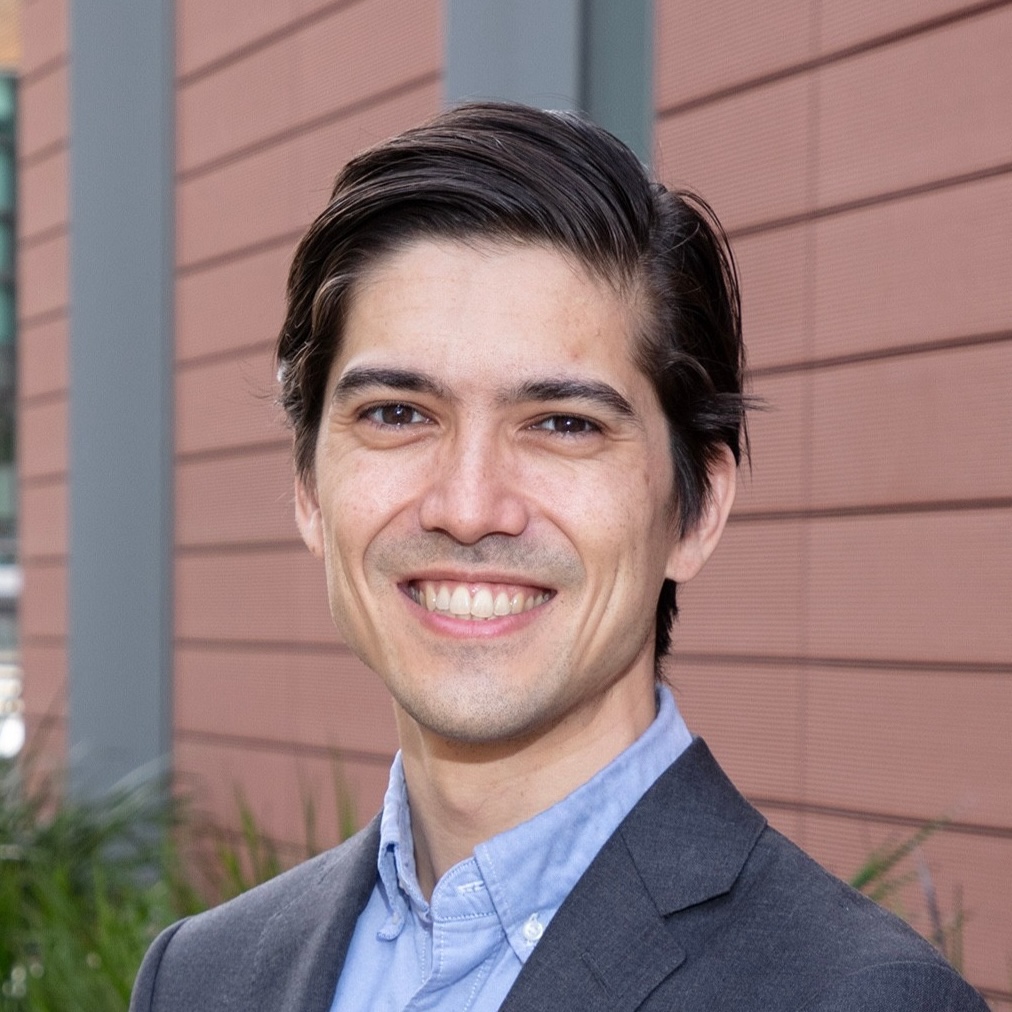
Assistant Professor of Genetics
Jesse Engreitz, PhD
Stanford University
The Engreitz Lab aims to map the regulatory wiring of the genome to discover genetic mechanisms of heart development and disease.
Professor of Molecular & Cell Biology
Nicholas Ingolia, PhD
UC Berkeley
The Ingolia Lab studies how, and why, cells control mRNA translation and decay by developing high-throughput technologies to study RNAs, proteins, and genetic networks.

Professor of Biochemistry and Biophysics
Martin Kampmann, PhD
UC San Francisco
The Kampmann lab develops and applies innovative technologies to understand cellular and molecular mechanisms of aging-associated neurodegenerative diseases, and to discover new therapeutic strategies.
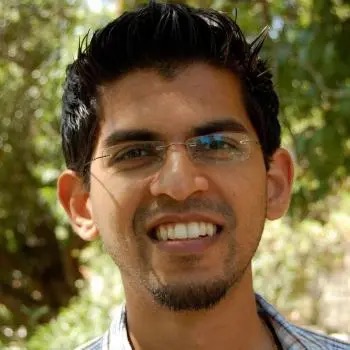
Associate Professor of Genetics and of Computer Science
Anshul Kundaje, PhD
Stanford University
The Kundaje lab develops explainable, robust machine learning models to decode functional syntax of DNA, RNA and protein sequences, decipher gene regulation across diverse cell types and understand the genetic and molecular basis of disease.
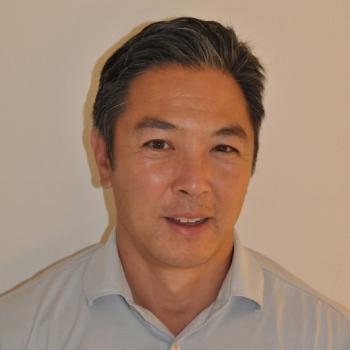
Professor of Medicine - Hematology
Calvin Kuo, MD, PhD
Stanford University
The Kuo lab focuses on developing 3-D organoids to model and treat diseases, understanding how adult stem cells regenerate tissues and can be harnessed for disease treatment, and studying blood-brain barrier biology and related therapies.
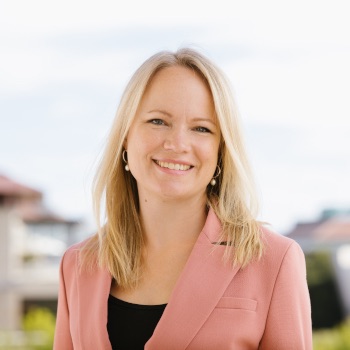
Associate Professor of Bioengineering and of Pathology
Emma Lundberg, PhD
Stanford University
The Lundberg Lab specializes in Spatial Proteomics, focusing on elucidating the spatiotemporal organization of the human proteome at both cellular and subcellular levels.
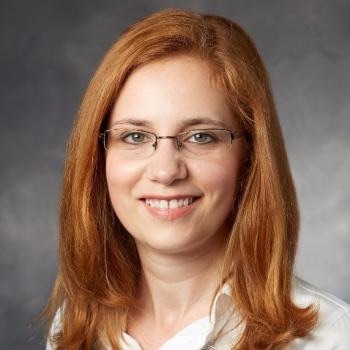
Assistant Professor of Pediatrics
Anca Pasca, MD
Stanford University
The Pasca Lab examines the biological mechanisms underlying developmental brain injuries from environmental and genetic factors, combining high-throughput human cortical organoid platforms, primary human brain tissue, and animal models with state-of-the-art technologies.
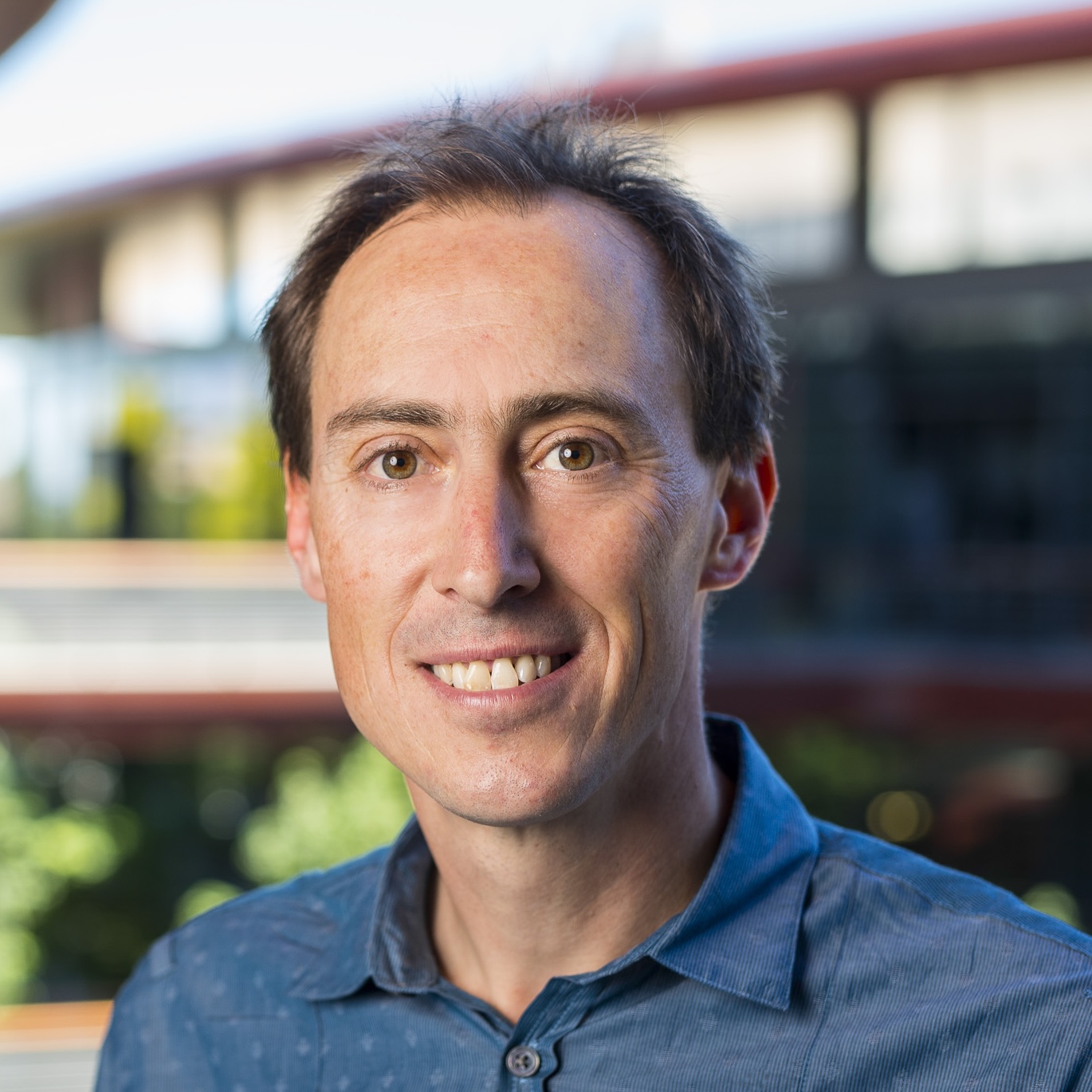
Professor of Genetics and of Biology
Jonathan Pritchard, PhD
Stanford University
The Pritchard Lab uses computational approaches to study the genetics of complex traits and develop new methods to infer models for human phenotypes by linking data from traditional genetic association mapping with experimental perturbations and observational omics.
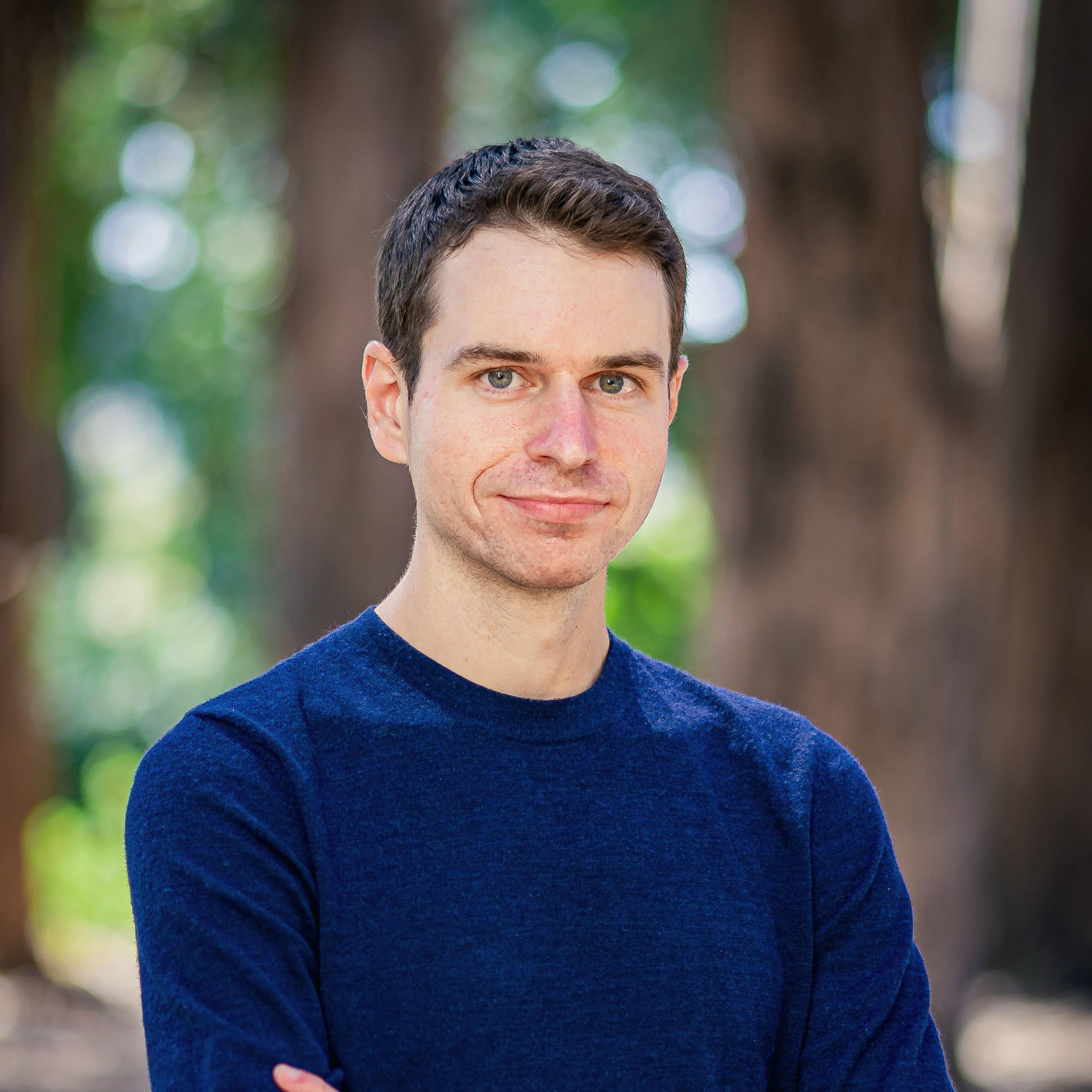
Assistant Professor of Molecular & Cell Biology and Chemistry
Robert Saxton, PhD
UC Berkeley
The Saxton lab studies mechanisms of cell communication governing tissue inflammation, repair, and homeostasis, with the goal of developing new therapeutics to modulate these pathways in disease.

Professor of Biology and Vincent VC Woo Director of Wu Tsai Neurosciences Institute
Kang Shen, PhD
Stanford University
The Shen Laboratory focuses on understanding neuronal cell biology in the context of development and degeneration of the nervous system.
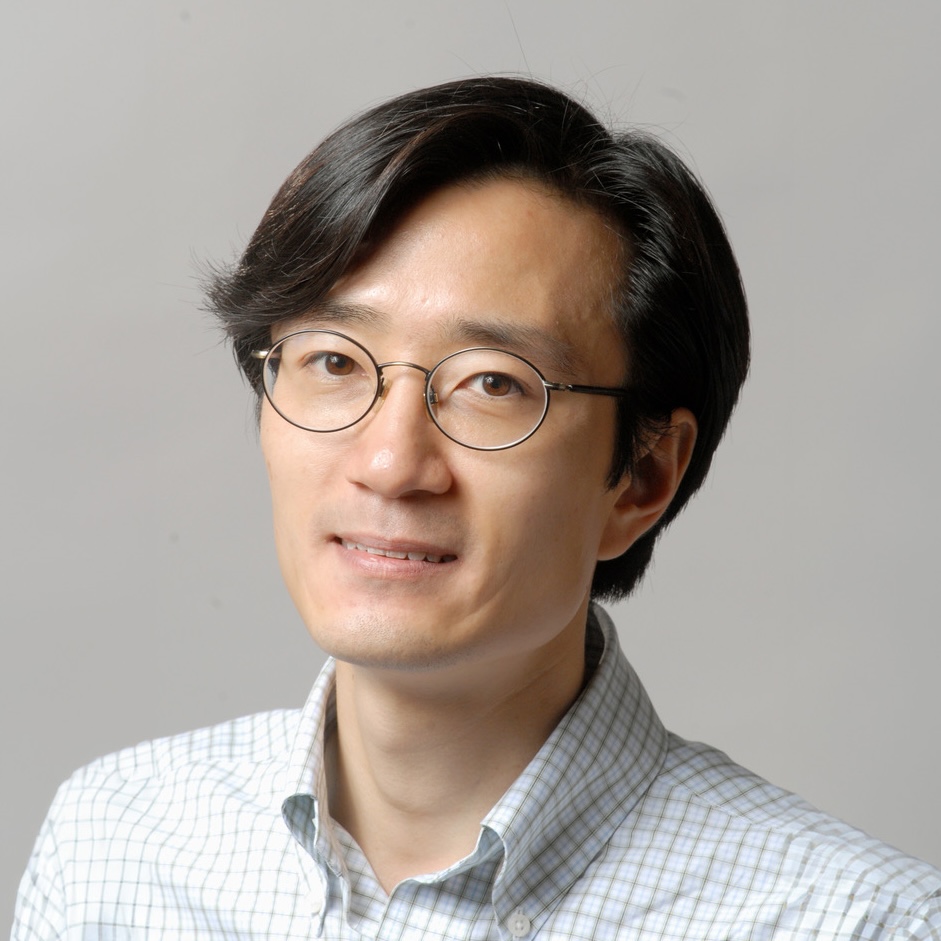
Professor of Computer Science and Statistics
Yun Song, PhD
UC Berkeley
The Song Lab develops useful genomic and protein language models for predicting the effects of genetic variants on disease risk and other traits, and for generating novel functional biomolecules.
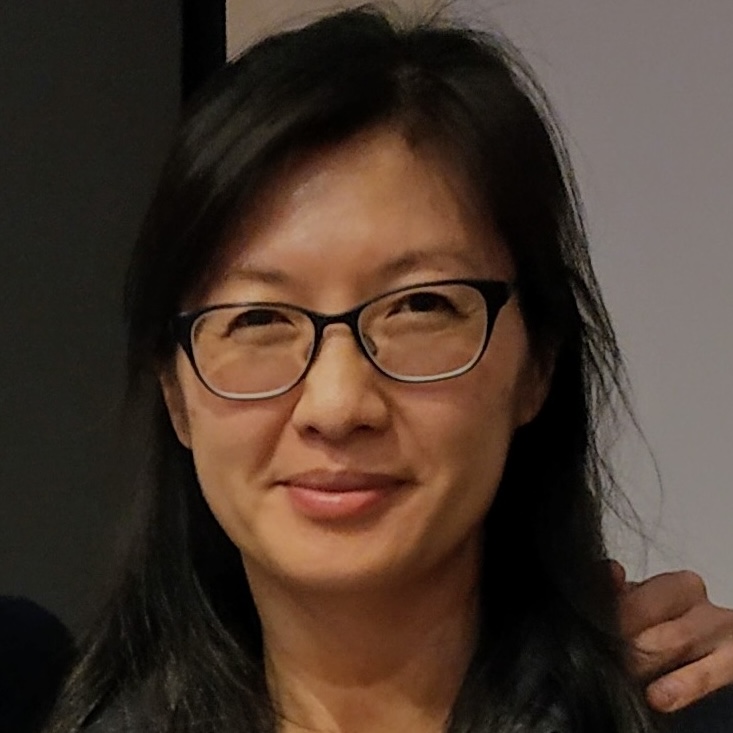
Professor of Genetics, of Biology and, By Courtesy, of Chemistry
Alice Ting, PhD
Stanford University
The Ting Lab develops molecular technologies for mapping and manipulating protein, RNA, and cellular networks.
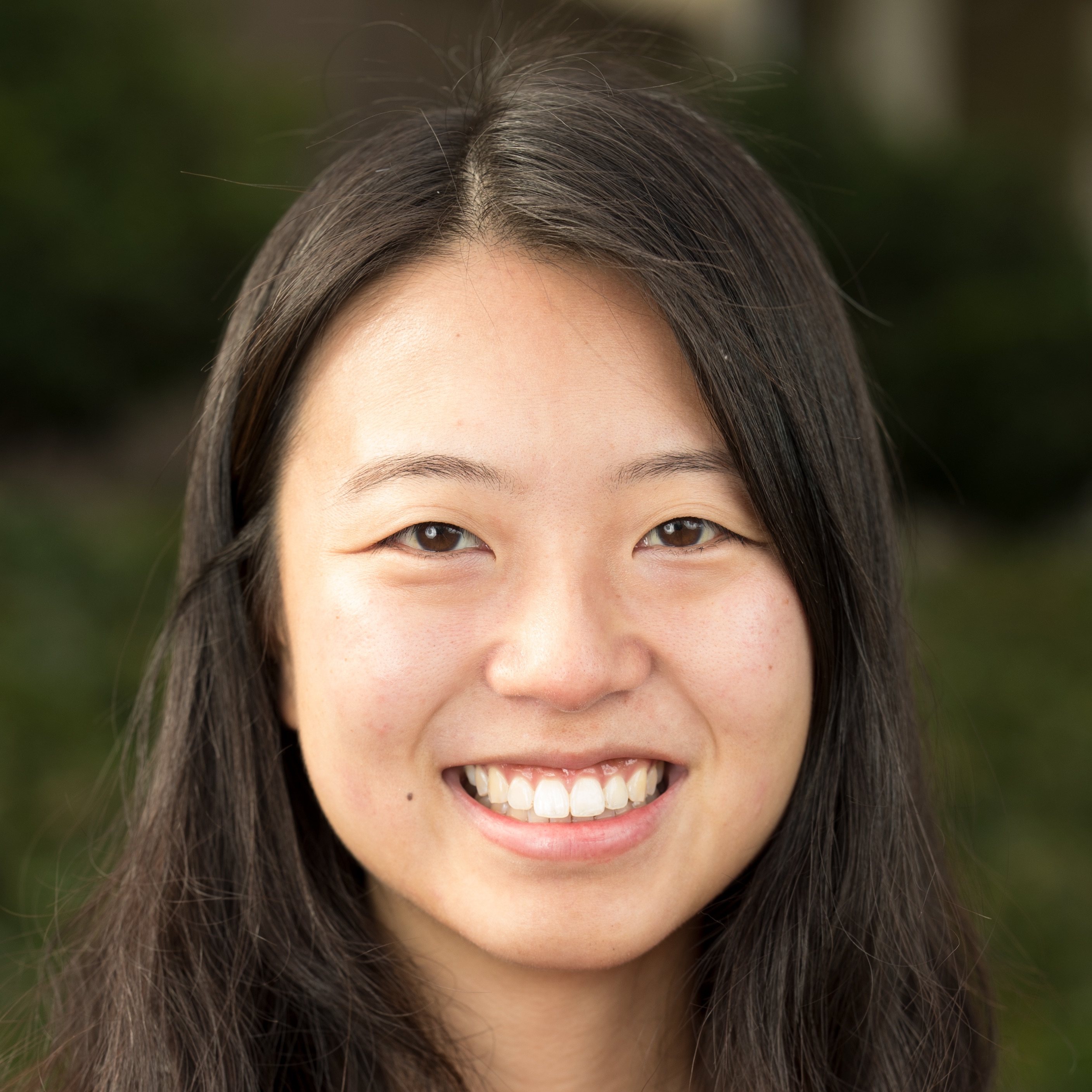
Assistant Professor of Biomedical Data Science
Serena Yeung-Levy, PhD
Stanford University
The Yeung-Levy Lab develops AI and machine learning methods that advance capabilities of multimodal foundation and generative models for applications in biomedicine and health.
About Arc Institute
Arc Institute (X: @arcinstitute) is an independent nonprofit research organization located in Palo Alto, California, that aims to accelerate scientific progress and understand the root causes of complex diseases. Arc's model gives scientists complete freedom to pursue curiosity-driven research agendas and fosters deep interdisciplinary collaboration. The Institute operates in close partnership with Stanford University, the University of California, Berkeley, and the University of California, San Francisco.