Arc AIxBio Fellows Program for Undergrads
Training Undergraduates to Become Future Leaders in Life Science AI
Arc Institute is an independent nonprofit research organization based in Palo Alto, California, founded in the pursuit of scientific curiosity. As a leader in AI and biotechnology, we’ve launched projects such as the virtual cell model STATE, the DNA biological foundation models Evo 1 and Evo 2, and the Virtual Cell Challenge.
At Arc, we believe transformative discoveries emerge from creative collaboration and technical ambition. Our mission is to accelerate discovery, uncover the root causes of complex diseases, and close the gap between scientific breakthroughs and real-world impacts.
About the Program
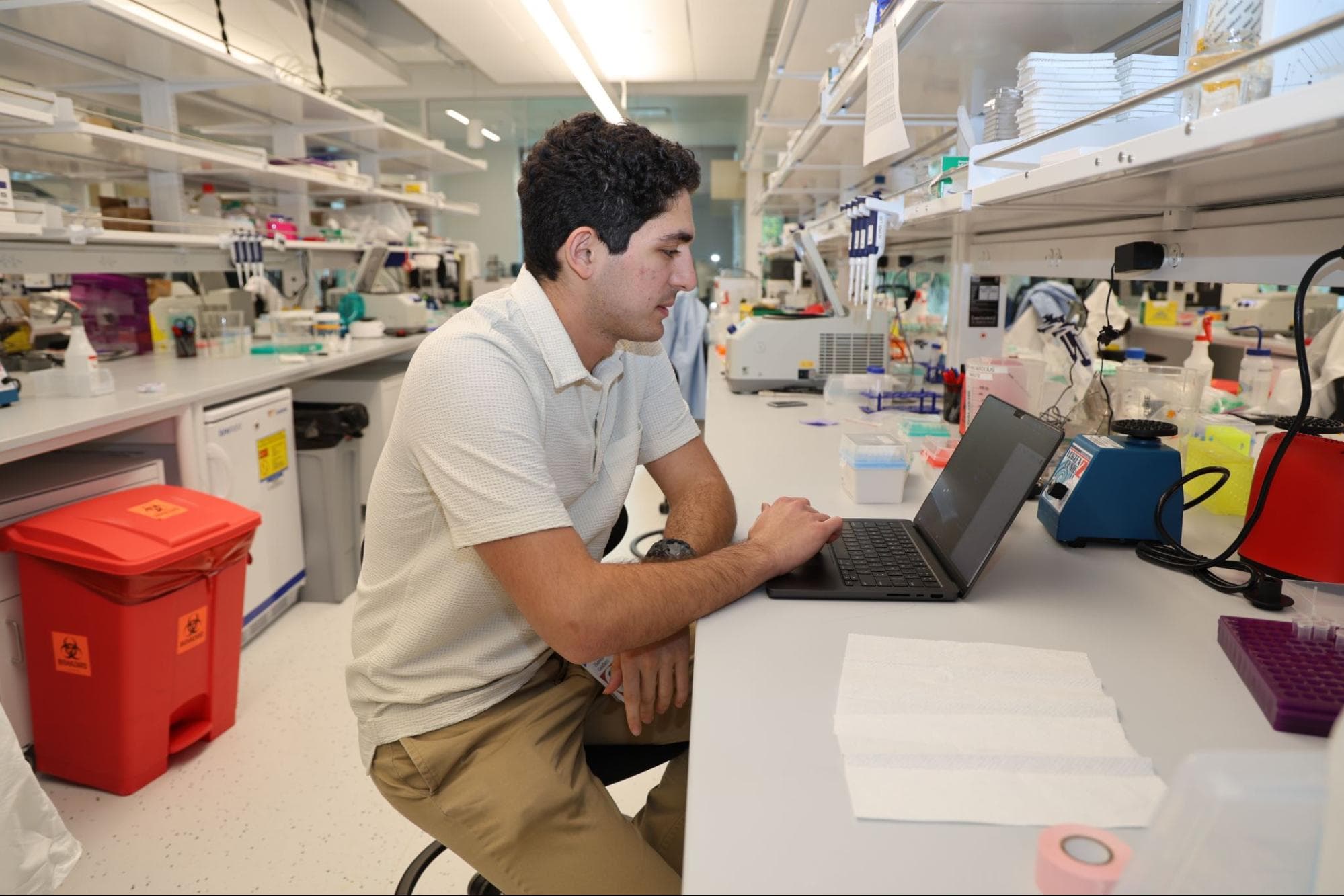
We are committed to nurturing the next generation of life scientists and are inviting undergraduate students interested in AIxBio to propose open, exploratory projects they can work on at their home institutions in partnership with Arc researchers for 6-12 months.
Over the course of their projects, Fellows will work with dedicated mentors with the goal of generating tangible outputs: code, models, analyses, and ideally publications or conference submissions. This is a part-time (~10 hours a week) and remote position intended to coincide with your coursework.
What You'll Receive
Mentorship Dedicated guidance from investigators, postdocs, and staff scientists through weekly Zoom meetings and dedicated Slack channel support
Resources A stipend as well as access to Cloud and GPU compute to accelerate your research, plus onboarding support to get started quickly.
Recognition Co-authorship opportunities on publications, presentations at Arc or scientific conferences, and pathways to future internships or collaborations
Eligibility
- Teams of 2-3 undergraduate students, formed independently within or across institutions
- Strong technical skills and demonstrated curiosity about AI and life science
- Commitment to open, reproducible research and collaborative science
- Ability to dedicate 6-12 months to the project
- Be based in North America (no citizenship restrictions)
Timeline
- 2027 applications available: January 2027
2026 Arc AIxBio Fellows
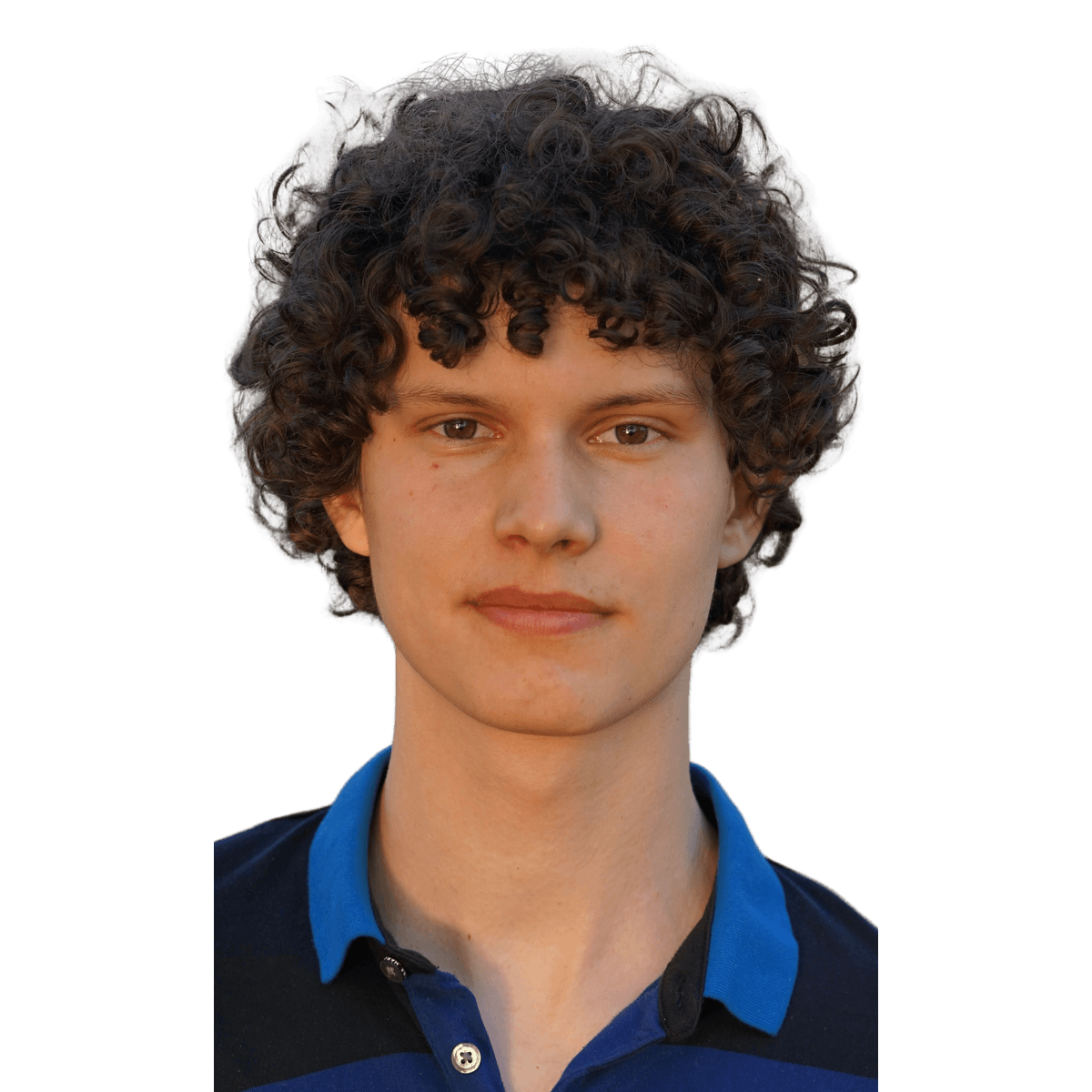
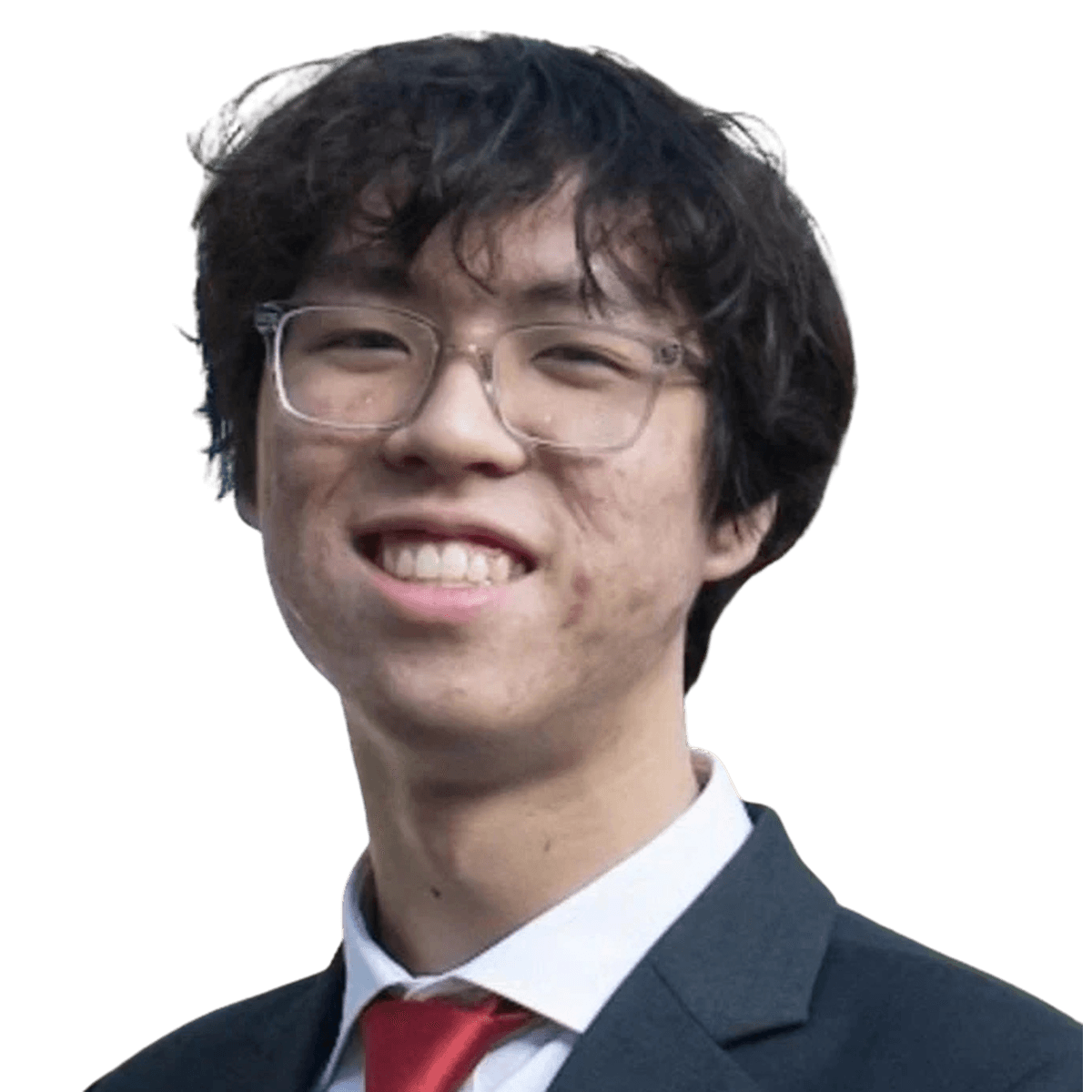
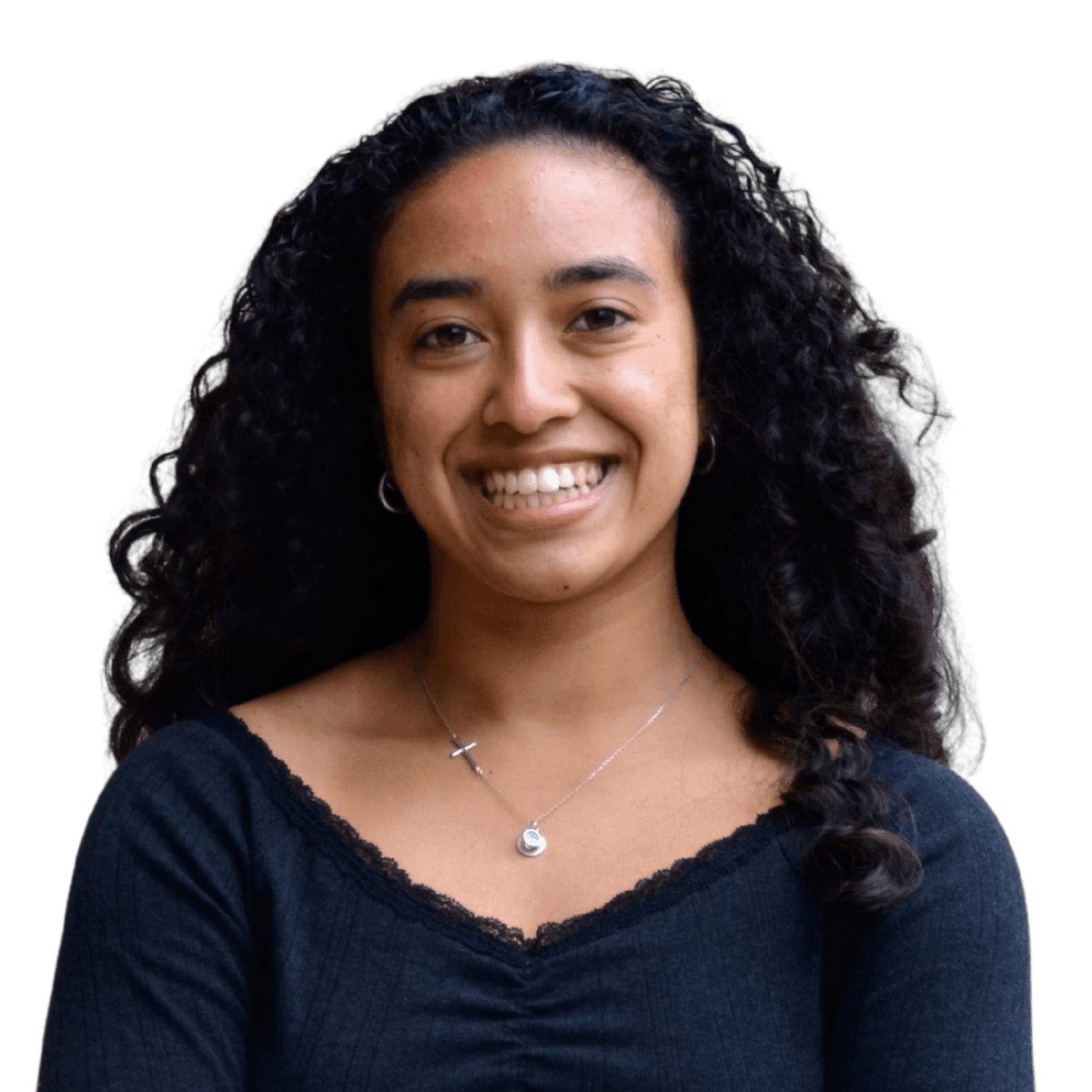
Arc’s inaugural cohort is made up of five teams and thirteen students (tap on the arrow under each fellow’s photo to see their biography).
The Proteomies
Project Microbial-aware ML for single-cell spatial proteomics, making host-microbe interactions visible where they’ve long been invisible
Mentor Hamed Najafabadi, Associate Professor, Human Genetics, McGill University
Members


SAT
Project Few-shot-in-context learning for epigenome prediction, treating cell types as something a model learns from examples, not a fixed label
Mentor Jingtian Zhou, Science Fellow, Arc Institute
Members


ReLearn
Project Reinforcement learning for cancer drug combination discovery, training an agent to kill malignant cells while sparing healthy ones
Mentor Ali Emadi, Postdoctoral Fellow, Goodarzi Lab, Arc Institute
Members

BioReason-Cell
Project A multimodal cell LLM that reasons how perturbations drive biological changes, moving virtual cells from predictors to reasoning engines
Mentor Ivy Liu, Postdoctoral Fellow, Goodarzi Lab, Arc Institute
Members



STATE Harness
Project An orchestration layer connecting STATE with bioinformatics tools and foundation models, enabling lab-in-the-loop workflows
Mentor Abhinav Adduri, ML Tech Lead for Virtual Cell, Computational Technology Center, Arc Institute
Members