Meet Arc Innovation Investigator in Residence Maayan Levy, a leader in the field of metabolite-based therapeutics
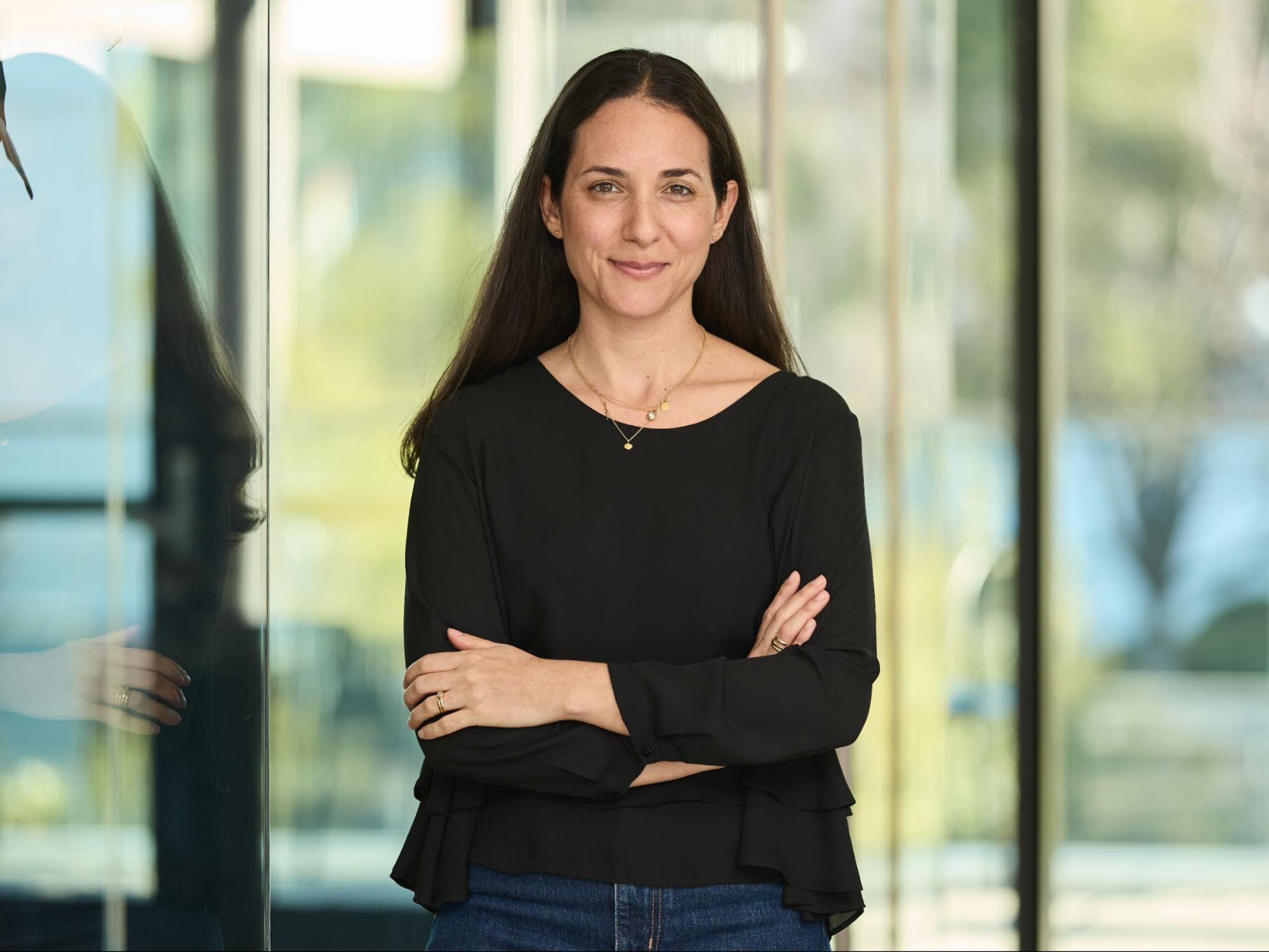
Maayan Levy (X: @MaayanLevyPhD) is exploring the use of metabolites, the "chemical messengers" between cells in our body, as both diagnostics and therapeutics. For example, in 2022, her lab demonstrated that dietary metabolites can be as effective as FDA-approved interventions in treating colon cancer, with follow-up studies exploring how these molecules can enhance immunotherapies like CAR-T. Across all these studies, her team tries to identify which metabolites are involved in the pathogenesis of a disease, and how they can interfere with these processes in combination with existing therapies. Their work spans mouse models of multiple different types of cancers as well as human samples and interventional patient studies.
Now an Assistant Professor of Pathology at Stanford Medicine and an Innovation Investigator in Residence at Arc Institute, Levy focuses on translating discoveries about these metabolites into human therapeutics. Below, Levy shares her insights on where the field is heading, the challenges of translating discoveries from mice to humans, and her vision for creating diverse, collaborative research environments that drive innovation.
How are you designing studies to translate work from mouse models to humans?
One obvious difference between mice and humans is their size and the local concentration of metabolites we can reach with exogenous administration. We found that if one injection of a metabolite was enough for a mouse, we would need to give it three times a day to a human because of differences in biodistribution and different metabolism rates.
This therefore affects drug preparation. You need much higher amounts, which also affects cost. There are also different treatment durations needed. If you see a phenotype in a mouse after a couple of days, sometimes you need a few weeks or even a couple of months in a human study to see an effect.
Are you trying to target the microbiome indirectly through metabolites or directly manipulate the bacteria to get the intended therapeutic results?
If a metabolite is usually produced by bacteria, you'd need to engineer bacteria to produce it and then introduce the bacteria into a host. But it is often difficult to predict whether the engineered bacteria will actually colonize and produce the metabolite you're targeting in the environment of the gastrointestinal tract.
We prefer to bypass this approach of manipulating the microbiome to produce metabolites and instead give metabolites exogenously. This allows us to avoid the complexity of microbiome variability between different people.
Your cancer research suggests we might be able to achieve therapeutic benefits without some of the adherence requirements of actual diets. Could this approach work for other therapeutic diets that are hard to maintain?
I think that generally, administration of single metabolites or combinations of metabolites will work on top of diets, but this needs to be tested in each individual case. I'm confident it's not just one case but a more universal approach we can take, both in cancer and beyond.
However, if a metabolite comes from a diet, we need to understand how it works within the context of that diet. What induces the metabolism of a certain molecule after you eat a certain food is, in many cases, unknown. It will only work if we mechanistically understand, first, the composition of the diet and the metabolites produced after a diet is consumed, and then understand how each of the components are acting biologically in that context. It's exactly this line of inquiry that we're exploring.
What other surprises have come out of some of the work you've done?
How effective metabolite supplementation can be. It can be as good as an FDA-approved drug intervention in some cases. This is surprising because these are molecules that are usually produced endogenously in the body—you can find the drug within you—rather than needing complex synthetic chemistry.
Your work bridges metabolism, immunology, neuroscience, and microbiology. Who do you want to collaborate with and how do you ensure such interdisciplinary collaborations are successful?
We extensively collaborate with clinicians and scientific teams working across many different diseases. Our team is composed of scientists who bring expertise from a high diversity of different fields and we are excited to constantly learn about new fields, techniques, and tools we haven't worked with in the past. I think that makes all the difference.
For this to be truly interdisciplinary work, I like to create small teams of people in the lab who either have, for example, clinical backgrounds or mouse model backgrounds to work together, rather than having one person with a specific expertise working on a project by themself.
What would you want your lab to be known for?
A place where people from different backgrounds can come and work together, whether it's different scientific backgrounds or people from different places and cultures.
These different perspectives really matter as they allow us to advance research in a way that cannot be done anywhere else.